Need Want Home

Category

Culture

22 articles

Morally Solvent: How Britain Learned to Shop Its Way to a Clean Conscience

Morally Solvent: How Britain Learned to Shop Its Way to a Clean Conscience

Somewhere between the oat milk and the recycled-plastic trainers, Britain quietly invented a new kind of retail therapy — one that doesn't just make you feel better about yourself, but actively charges you for the privilege. The guilt-driven purchase has become one of the most reliable engines in British consumer culture, and the brands selling moral absolution have never been more profitable. Which raises a mildly uncomfortable question: who exactly is being redeemed here?

Fifty Opinions About a Kettle: Britain's Glorious Inability to Buy Anything Alone

Fifty Opinions About a Kettle: Britain's Glorious Inability to Buy Anything Alone

Britain has constructed an elaborate, nationwide apparatus for avoiding the terrifying responsibility of choosing things by itself. From WhatsApp threads about duvet tog ratings to Reddit rabbit holes about the correct kitchen bin, we have outsourced our purchasing instincts to an ever-expanding jury of people who also don't know what they're doing. The question is whether any of this is actually helping.

Wrapped in Good Intentions: The Hidden Economy of Britain's Unwanted Gifts

Wrapped in Good Intentions: The Hidden Economy of Britain's Unwanted Gifts

Every January, Britain quietly redistributes millions of pounds of unopened presents through car boots, Facebook Marketplace, and the passive-aggressive medium of the office lucky dip. What the regifting economy reveals about love, identity, and the people who think they know us.

Peak and Tumble: The Exact Moment Britain Decides a Brand Is Over

Peak and Tumble: The Exact Moment Britain Decides a Brand Is Over

Every beloved brand in Britain carries within it the seed of its own uncoolness. One day it's the jacket, the bag, the boot — the thing that marks you as someone who knows. Then something shifts, almost imperceptibly, and suddenly it's everywhere and therefore nowhere. This is the story of how British taste turns, and whether any brand ever truly comes back from the wrong side of ubiquity.

Going Down, Feeling Good: The Middle-Class Art of Spending Less and Loving It

Going Down, Feeling Good: The Middle-Class Art of Spending Less and Loving It

Britain's middle classes have discovered a new status symbol, and it costs significantly less than the last one. Meet the conscious downgraders — the people voluntarily swapping Waitrose for Aldi, meal kits for meal planning, and business class for a window seat in premium economy with no apologies whatsoever. The question is whether this is genuine wisdom, a new kind of performance, or just austerity with better branding.

Almost Famous: The Glorious Rise of Britain's Guilt-Free Knock-Off Culture

Almost Famous: The Glorious Rise of Britain's Guilt-Free Knock-Off Culture

Buying a dupe used to feel like admitting defeat. Now it feels like winning. Britain has quietly rewritten the rules of aspiration, turning the art of 'almost exactly like, but £200 cheaper' into a full-blown personality trait — and the brands aren't entirely sure what to do about it.

The Soft Launch Seduction: Why Britain Has Developed a Taste for Things That Don't Exist Yet

The Soft Launch Seduction: Why Britain Has Developed a Taste for Things That Don't Exist Yet

There's a particular pleasure in the 'coming soon' notification — the crowdfunded gadget that's perpetually three months from shipping, the waiting list you joined on a whim, the brand that's been teasing a product launch since approximately the last general election. Britain, it turns out, has developed an appetite not for the thing itself, but for the exquisite limbo of almost having it.

The Taste Rental Market: How Britain Started Paying Strangers to Want Things For Us

The Taste Rental Market: How Britain Started Paying Strangers to Want Things For Us

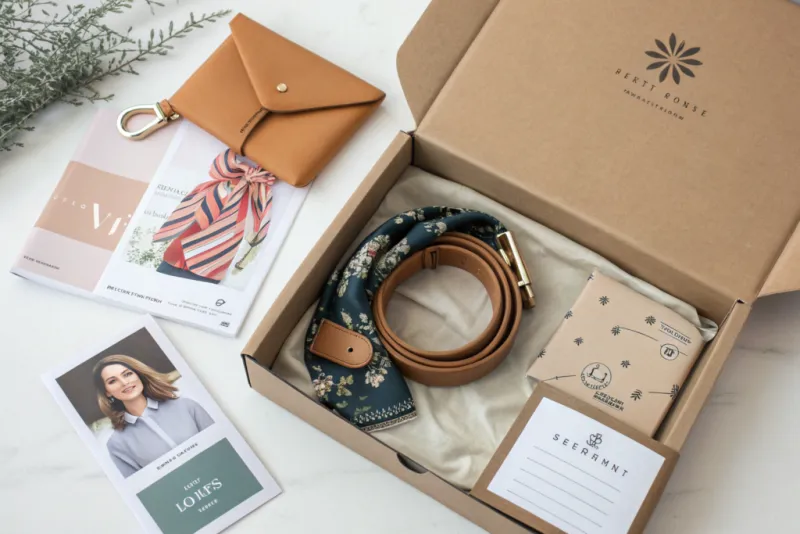
Britain — a nation that once prided itself on muddy individualism, eccentric record collections, and opinions about biscuits held with near-religious conviction — has quietly started outsourcing its preferences to algorithms, anonymous stylists, and subscription boxes curated by people it will never meet. The question isn't why. The question is whether we ever really knew what we wanted in the first place.

Sealed for Greatness: Inside Britain's Devotion to Things That Must Never Be Opened

Sealed for Greatness: Inside Britain's Devotion to Things That Must Never Be Opened

Somewhere in Britain right now, there are trainers that have never touched a pavement, kitchen gadgets whose instruction manuals have never been unfolded, and collectibles preserved with the solemnity of museum artefacts. We didn't buy them to use them. We bought them to *have* them. And that, it turns out, is an entirely different thing.