The Taste Rental Market: How Britain Started Paying Strangers to Want Things For Us
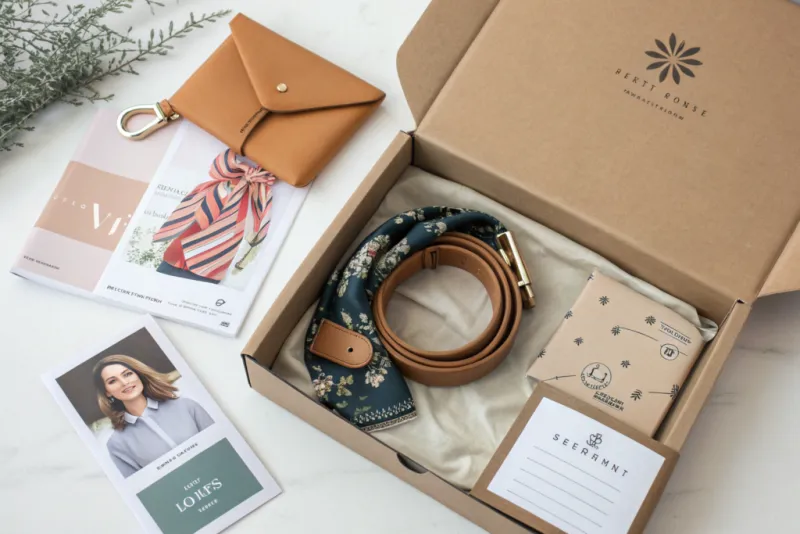
Photo: subscription box lifestyle curation personal styling UK, via aceaccessory.com
Somewhere in the terms and conditions of modern life, we appear to have signed over our opinions.
Not all at once. Not in any dramatic, noticeable way. It happened gradually, in the way that all the most interesting cultural shifts happen — through small conveniences that accumulated into a wholesale transformation of how we relate to our own desires. We let Spotify decide what we'd hear next. We let Netflix choose what we'd watch. We let an algorithm curate our news, a stylist subscription pick our wardrobe, a meal kit service determine what we'd cook for dinner. And somewhere in that long chain of delegations, we outsourced something more fundamental than our evenings: we outsourced our taste.
Britain, a country that has historically prided itself on the fierce idiosyncrasy of its cultural opinions — on the kind of person who will defend their record collection with the intensity of a border dispute — is now paying a premium to have its preferences decided for it. And the market is booming.
The Stylist in the Box
Start with clothing, because it's the most literal example. Services like Thread, Stitch Fix, and a raft of smaller British competitors have built entire business models on a simple, slightly uncomfortable premise: you don't really know what suits you, but a stranger with a questionnaire does.
The mechanics are familiar by now. You fill out a style profile — your measurements, your "vibe" (a word that appears in every single one of these interfaces), your budget, what you'd wear to a casual Friday, a wedding, a date you're ambivalent about. A stylist — human, algorithmic, or some unsettling blend of both — assembles a box of items and posts it to you. You try them on, keep what works, return the rest.
The interesting thing isn't the service. It's the relief people report when they describe using it. Not satisfaction — relief. The relief of not having to navigate the paralysing abundance of choice that modern retail presents. The relief of not having to know, definitively, what you like.
One Stitch Fix customer, a 41-year-old marketing director from Bristol, put it with disarming honesty: "I used to spend four hours on ASOS and buy nothing because I couldn't decide. Now I just wear what arrives. I genuinely don't know if my taste has improved or if I've just stopped having taste. Either way, I get dressed in the morning, so."
The Algorithm as Aesthetic Authority
Beyond fashion, the outsourcing runs deep. Spotify's Discover Weekly playlist — released every Monday, algorithmically generated, and now listened to by tens of millions of people globally — has become many Britons' primary method of discovering new music. Not friends. Not music press. Not the kind of serendipitous stumbling-across that used to define how cultural tastes formed. A machine.
The same is true of reading. Goodreads recommendations, Amazon's "customers also bought", the curated book subscription boxes that have proliferated since 2016 — all of them are systems for telling you what to want next, based on what you've already wanted. They're not broadening your taste so much as deepening a groove you're already in. The algorithm doesn't introduce you to yourself. It introduces you to a slightly more intense version of who you already were.
This is the paradox at the heart of outsourced taste: it promises discovery but delivers confirmation. You feel like you're being shown something new. What you're actually being shown is a mirror, slightly polished.
The Interior Design Industrial Complex
Perhaps the most telling expression of Britain's taste-by-proxy habit is what's happened in home interiors. The rise of services like Swoon Editions' style quizzes, the proliferation of "interior design subscription" boxes, and the extraordinary cultural dominance of Instagram aesthetics have created a situation in which an entire generation of British homeowners have decorated their homes in styles they discovered through the feeds of people they've never met.
The "Scandi-minimal" living room. The "maximalist gallery wall". The "cottagecore kitchen" with its artfully mismatched ceramics and dried flower arrangements. These aren't organic expressions of individual personality — they're aesthetic movements, propagated at speed through social platforms and subscription services, adopted wholesale by people who saw them and thought: yes, that's who I am.
The interiors industry has noticed. IKEA's UK marketing has shifted decisively toward selling lifestyles rather than furniture — not a bookcase, but the kind of person who has this bookcase. The implicit promise is that the object carries the identity. Buy it and the taste transfers.
What Are We Actually Paying For?
Here's the uncomfortable question that sits beneath all of this: if you're paying someone to decide what you want, what exactly is the transaction?
One answer — the generous one — is that you're paying for curation. In a world of infinite options, the ability to filter, select, and present a coherent subset is genuinely valuable. A good playlist curator, a thoughtful stylist, a well-considered subscription box: these are skills, and there's nothing ignoble about paying for them.
But there's another answer, and it's the one that the more honest players in the outsourced taste industry will admit to over a drink: you're paying for the freedom from the anxiety of wanting the wrong thing.
Britain's relationship with social aspiration is ancient and complicated. The fear of getting it wrong — of having the wrong opinions, the wrong furniture, the wrong records on display when someone visits — is baked deep into the national psyche. Outsourcing your taste to a credentialed stranger (or a very confident algorithm) is a form of insurance. If the box arrives and someone raises an eyebrow, it wasn't your choice. You were curated.
The Individuality Paradox
What makes all of this particularly rich is the national context. Britain is the country of the eccentric, the collector, the obsessive, the person who has very strong feelings about which biscuit is correct and will explain them at length. The cultural mythology of British taste is one of fierce, idiosyncratic independence.
And yet. The same country that produced John Peel, the charity shop treasure hunter, and the person who insists they've liked that band since before they were famous is now, in significant numbers, paying a monthly fee to have its preferences handed back to it pre-assembled.
The resolution of this paradox, if there is one, might be generational. Younger British consumers — the ones who grew up with recommendation engines and algorithmic feeds as the default mode of cultural discovery — may simply not experience outsourced taste as a loss of autonomy. To them, the algorithm isn't deciding what they want. It's helping them find what they want. The distinction feels significant, even if the outcome is identical.
The Want You Didn't Know You Had
There's a version of this story that's actually quite optimistic. Because sometimes the stranger with the questionnaire, or the algorithm trained on millions of listening hours, or the anonymous stylist assembling your box in a warehouse in Swindon — sometimes they get it exactly right. They send you the thing you didn't know you needed. They play you the song that becomes the song of the summer. They suggest the book that changes something.
And in those moments, the outsourcing feels less like an abdication and more like a gift. Someone, or something, did the wanting on your behalf. And what arrived was better than anything you'd have found on your own.
Maybe that's the real luxury the taste-rental market is selling. Not the clothes or the playlists or the interiors. The possibility that somewhere out there, someone knows what you want better than you do.
The science of wanting, it turns out, is increasingly someone else's job. The art of having — that part, at least, is still yours.