The Domino Effect: How One Purchase Triggers Britain's £8 Billion Spending Cascade
The Domino Effect: How One Purchase Triggers Britain's £8 Billion Spending Cascade
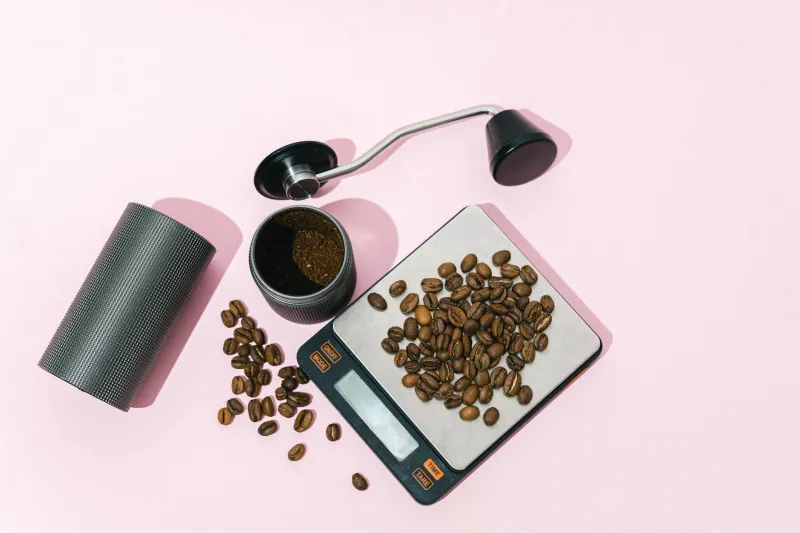
Last month, Tom Bradley bought what he thought was a simple coffee machine. Six weeks and £847 later, his kitchen counter resembles a artisanal coffee laboratory, complete with burr grinder, precision scales, temperature-controlled kettle, and enough single-origin beans to supply a small café. "I just wanted better coffee," he says, surveying his accidental empire. "Now I'm apparently a home barista."
Tom has fallen victim to Britain's most expensive shopping phenomenon: the plus-one purchase. Or in his case, the plus-seventeen purchase. What retailers euphemistically call 'companion products' and economists term 'complementary consumption' represents an £8 billion annual market that most consumers never see coming.
The Anatomy of Spending Avalanche
The coffee machine represents a perfect case study in cascade economics. Purchase data from John Lewis reveals that 73% of coffee machine buyers make at least one additional related purchase within six months, with the average customer spending £312 beyond their original machine investment. The machine isn't the product—it's the gateway drug.
 Photo: John Lewis, via media.johnlewiscontent.com
"Every major purchase creates what we call a 'compatibility crisis,'" explains retail strategist Amanda Cross. "The new item makes everything around it look inadequate by comparison. It's not that the customer needs these additional items—it's that the original purchase has shifted their quality expectations for everything in that category."
The psychology is ruthlessly simple. Tom's £200 coffee machine didn't just make better coffee; it made his old mugs look cheap, his kitchen scales seem imprecise, his storage solutions appear amateur. Each upgrade demanded another, creating what behavioural economists call a 'quality cascade'—an unstoppable chain reaction of incremental improvements.
The Sofa Situation
Furniture purchases reveal the phenomenon at its most dramatic. DFS's internal research shows that customers who buy a new sofa spend an average of £1,200 on related items within the following year. The sofa makes the rug look tired, which makes the coffee table seem shabby, which makes the lighting appear inadequate, which makes the artwork look amateur.
"It's like renovating a house," says recent sofa purchaser Jenny Walsh, who's currently £2,100 deep into what she calls her 'lounge upgrade spiral.' "You can't just change one thing. Everything has to match the new standard you've accidentally set."
The data supports Jenny's experience in uncomfortable detail. Customers who purchase sofas over £1,000 are 67% more likely to buy new cushions within three months, 45% more likely to purchase lighting within six months, and 34% more likely to redecorate entirely within the year. The sofa isn't furniture—it's a trojan horse for total room transformation.
The Trainer Ecosystem
Sportswear represents perhaps the most sophisticated example of plus-one economics. Nike's customer data reveals that buyers of premium trainers (£100+) generate an average of £340 in additional purchases within six months. The trainers demand new socks, which suggest new shorts, which require new tops, which necessitate new accessories.
"The expensive trainers make everything else in your gym bag look rubbish," explains fitness enthusiast Mark Thompson, who's currently £600 into what began as a simple shoe purchase. "You can't wear £180 trainers with free conference t-shirts. It's like wearing a Rolex with a paper bag suit."
This compatibility crisis extends beyond mere aesthetics. Premium trainers often require specific care products, specialist socks, and performance clothing that can 'match' their technical specifications. The purchase becomes less about acquiring footwear and more about joining an entire lifestyle ecosystem.
The Kitchen Cascade
Kitchenware purchases demonstrate the phenomenon's most expensive manifestation. Customers who buy stand mixers spend an average of £450 on related purchases within the first year. The mixer demands better ingredients, which require proper storage, which necessitates organisation systems, which suggest workspace improvements.
"I bought a KitchenAid to make better cakes," says amateur baker Lisa Chen, who's now £800 into her baking journey. "But you can't make artisanal sourdough in Tupperware containers with supermarket flour. The mixer basically gave me permission to take baking seriously, which apparently costs a fortune."
The psychology here is particularly cunning. The premium purchase doesn't just enable new activities—it creates new identities. Lisa isn't just someone who owns a mixer; she's become 'someone who bakes seriously.' That identity shift demands purchases that support and reinforce the new self-image.
The Technology Trap
Tech purchases reveal the phenomenon at its most predatory. Apple's ecosystem represents the gold standard of plus-one economics, with iPhone buyers generating an average of £650 in additional Apple purchases over two years. The phone suggests the watch, which demands the headphones, which necessitate the subscription services, which justify the laptop.
"It's like joining a very expensive club," says recent iPhone convert David Park, who's £1,200 into his Apple journey. "Each purchase makes the next one seem more logical, more inevitable. You're not buying products—you're buying membership."
The Hidden Mathematics
Retailers have become surgical in their understanding of these cascade patterns. Currys PC World reports that customers who buy 4K televisions spend an average of £380 on related purchases within six months—soundbars, streaming devices, HDMI cables, wall mounts. The TV is loss-leader; the ecosystem is profit centre.
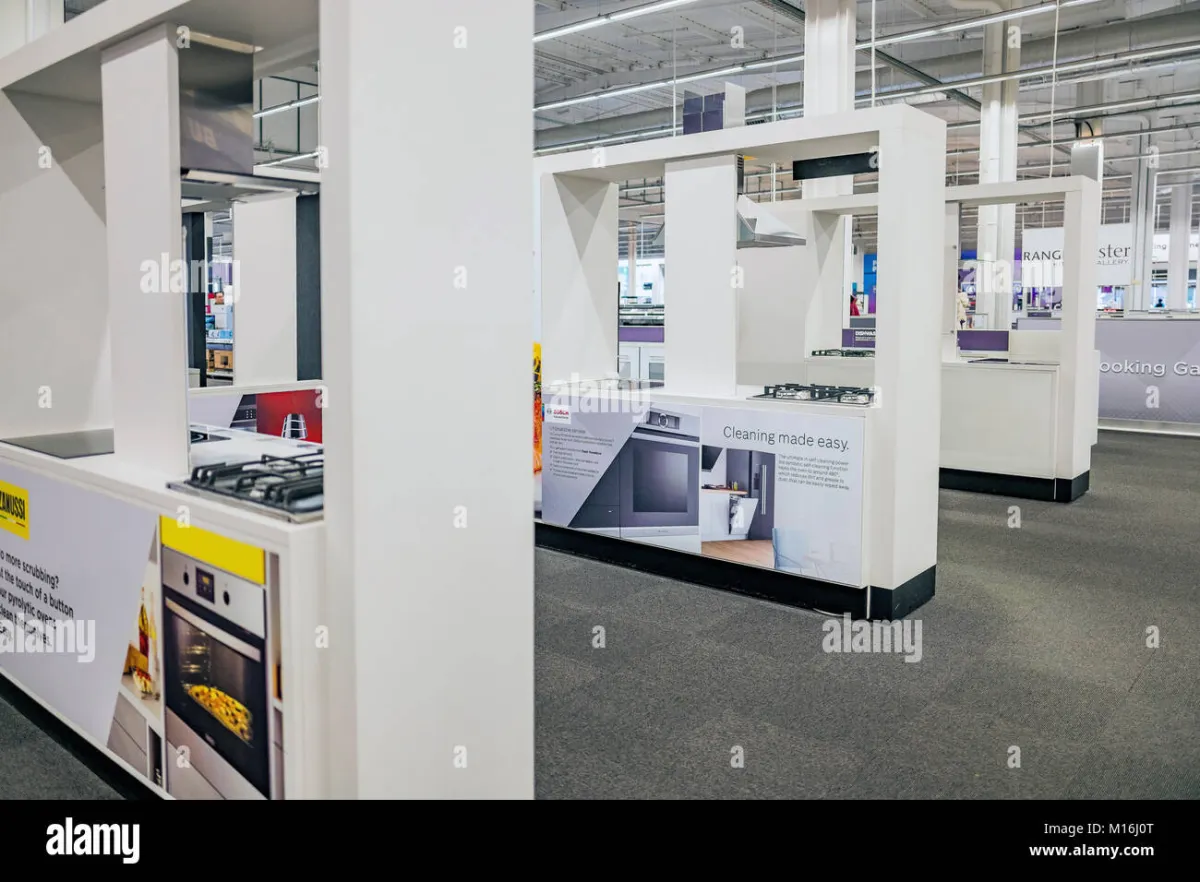 Photo: Currys PC World, via c8.alamy.com
"We don't sell products anymore," admits one retail executive, speaking anonymously. "We sell the first domino. Everything else follows with mathematical precision."
The data reveals uncomfortable truths about British spending patterns. On average, every major purchase (£200+) triggers £340 in additional spending within twelve months. We're not buying items—we're buying permission to transform entire categories of our lives.
The Endless Upgrade
Perhaps most troubling is how the plus-one phenomenon has evolved beyond simple compatibility into perpetual improvement. Each purchase doesn't just demand companions—it establishes new quality standards that eventually make everything else feel inadequate.
Tom's coffee journey illustrates this perfectly. Having invested £847 in equipment, he's now eyeing a £1,200 espresso machine. "The current setup is good," he explains, "but now I know what's possible."
The coffee machine didn't just make better coffee—it made Tom into someone who could taste the difference. That knowledge, once acquired, can never be un-learned. The plus-one purchase becomes a plus-infinity mindset, where every improvement reveals new possibilities for improvement.
In Britain's consumer economy, we're never really buying just one thing. We're buying the first tile in an endless mosaic of desire, each purchase justifying the next until we're not sure where the original need ended and the manufactured want began.