The Museum of Maybe: Inside Britain's Epidemic of Keeping Things 'Just in Case'
The Archaeology of Upgrades
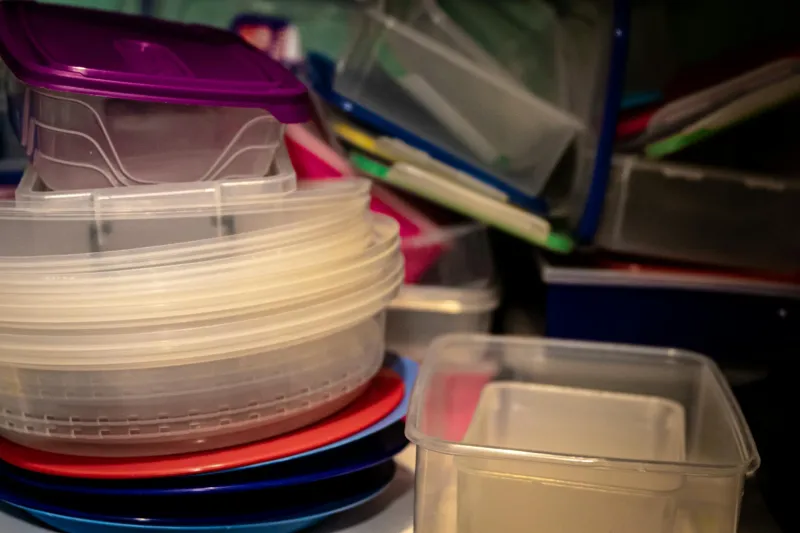
Open any British kitchen drawer and you'll find it: the previous phone, coiled charging cable still attached like an electronic umbilical cord, nestled beside the shiny replacement that made it redundant. It's joined by the old wallet—leather cracked, corners frayed—that couldn't quite earn its retirement despite being comprehensively outclassed by its sleeker successor.
Welcome to Britain's Second Drawer Problem: our national inability to properly dispose of the things we've supposedly moved on from.
We're not hoarders, exactly. We've upgraded successfully. We use the new thing. We appreciate the improvement. But somewhere between the purchase and the bin, we've created a parallel domestic economy of 'just in case' objects that never quite qualify for their final journey to the tip.
The Emotional Insurance Policy
Dr Rachel Thompson, who studies consumer behaviour at Leeds University, has a theory about our attachment to redundant objects: "We treat them like emotional insurance policies. They represent proof that we made the right decision to upgrade, but also security blankets in case the new thing fails us."
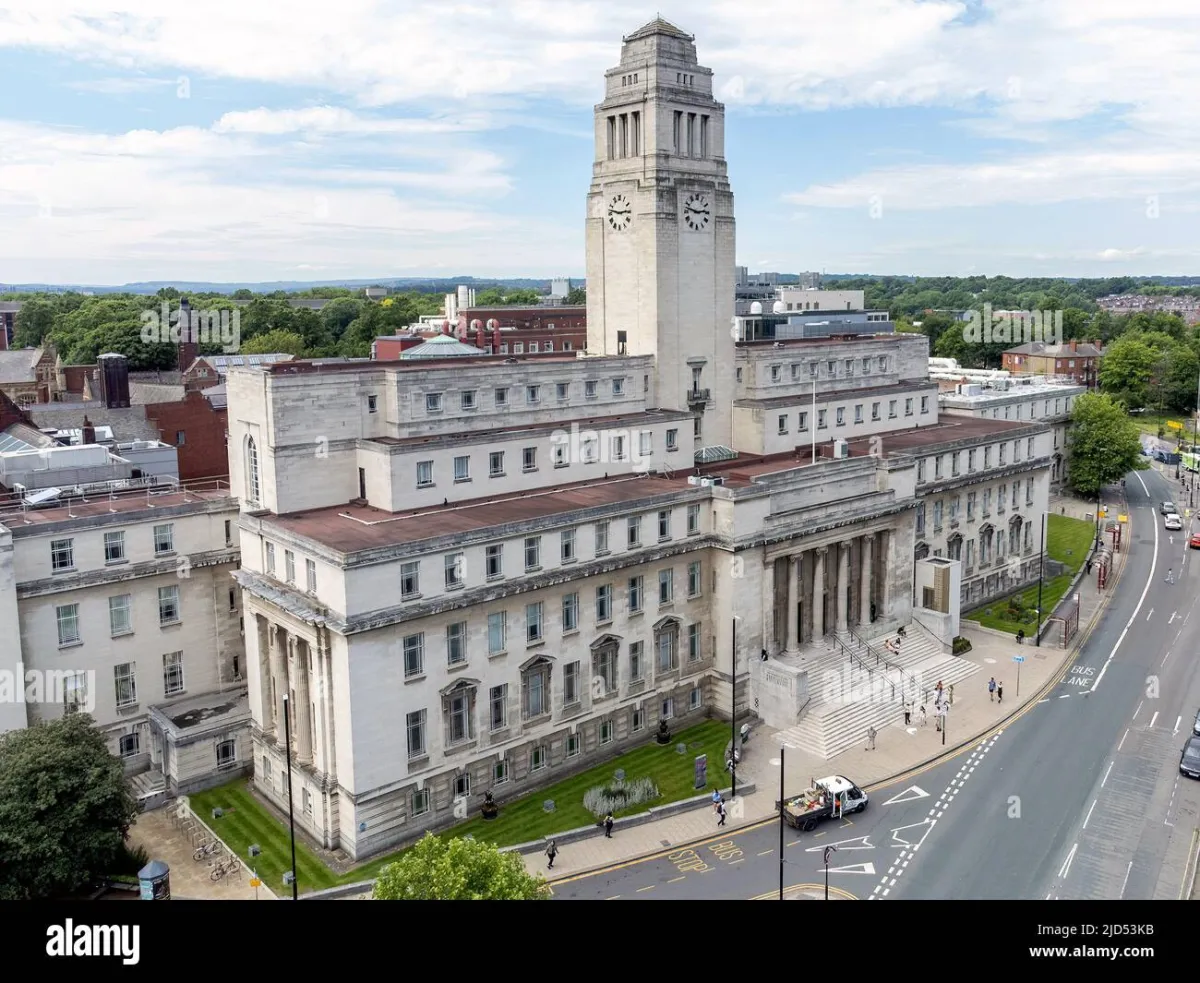 Photo: Leeds University, via c8.alamy.com
It's a uniquely British form of hedging. We've embraced the upgrade culture with characteristic enthusiasm, but tempered it with characteristic caution. Why throw away the old hoover when the new one might break? What if the fancy coffee machine develops a fault and we need to return to the humble cafetière? What if, what if, what if?
The second drawer becomes a shrine to our purchasing evolution, a domestic museum of consumer confidence building. Each redundant object whispers the same reassuring message: "You chose well, but I'm here if you change your mind."
The Hierarchy of Hesitation
Not all redundant objects are created equal. There's a clear hierarchy in our keeping behaviour, a taxonomy of 'just in case' that reveals fascinating insights about British consumer psychology.
Electronics top the list. That iPhone 6 with the cracked screen isn't just a phone—it's a backup identity, complete with photos, messages, and digital memories we haven't quite figured out how to transfer. The old laptop, too slow for modern demands but somehow too valuable for the recycling centre, occupies valuable cupboard real estate like a silicon pensioner.
Kitchen equipment follows closely. The scratched non-stick pan that lost its coating sits beneath the pristine replacement, waiting for the day we need to cook something particularly stubborn. The old kettle, slower and louder than its successor, maintains its corner of the worktop like a faithful retainer who's earned the right to stay despite redundancy.
The Guilt Economy
Marie Kondo tried to teach us to thank our possessions before discarding them, but Britain had already developed its own relationship with object gratitude—one that prevents us from saying goodbye at all.
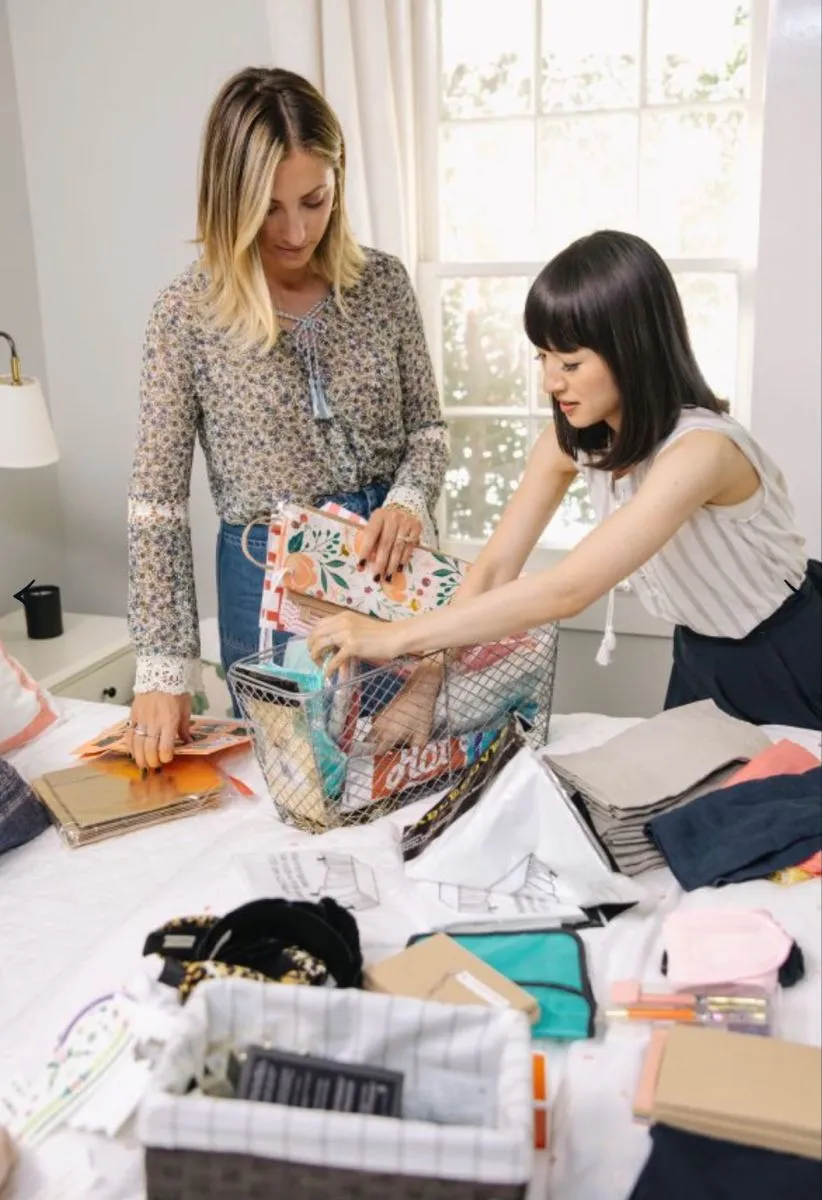 Photo: Marie Kondo, via i.pinimg.com
"There's enormous guilt attached to disposing of things that still work," explains decluttering expert James Walsh. "We've been raised on 'waste not, want not,' but we live in an upgrade economy. The psychological tension is extraordinary."
This guilt manifests in elaborate justifications for keeping redundant objects. The old phone becomes "perfect for travelling" (though it never travels). The superseded handbag transforms into "ideal for festivals" (despite never seeing a muddy field). The replaced trainers are "great for gardening" (while accumulating dust in the hallway).
We've created an entire mythology around potential future uses, a parallel universe where our old stuff finally gets its moment to shine again.
The Backup Britain Syndrome
Somewhere along the way, Britain developed Backup Syndrome—the compulsive need to maintain redundant systems in case the primary ones fail. It's a mindset born from rationing, refined through decades of unreliable technology, and perfected in an era of planned obsolescence.
We keep the old phone charger because we don't trust the new one. We maintain the manual can opener alongside the electric one because power cuts happen. We preserve the ancient radio in case DAB finally dies. We're preparing for failure before we've even properly enjoyed success.
This isn't just personal neurosis—it's cultural adaptation. Britain has learned to expect disappointment from its purchases, so we hedge our bets with elaborate backup systems that turn every home into a museum of consumer contingency planning.
The Digital Graveyard
The second drawer problem has evolved beyond physical objects. Our digital lives are cluttered with redundant apps we don't delete, old social media accounts we don't close, and subscription services we don't cancel. We're curating digital museums of our former digital selves.
The psychology is identical: what if we need the old email account? What if the photo editing app becomes useful again? What if the streaming service we cancelled starts showing something unmissable? Digital redundancy requires no physical space, so we maintain these ghost subscriptions and zombie accounts with the same 'just in case' logic that fills our drawers.
The Liberation Paradox
The irony of the second drawer problem is that it prevents us from fully enjoying our upgrades. The old phone's presence diminishes the new phone's achievement. The scratched pan undermines confidence in its replacement. We're so busy maintaining museums of our shopping past that we can't properly inhabit our shopping present.
Yet there's something quintessentially British about this behaviour. In a culture that values prudence over flashiness, keeping the old thing alongside the new feels like the sensible compromise. We get the benefits of progress without the guilt of waste, the satisfaction of upgrading without the anxiety of commitment.
The Curatorial Instinct
Perhaps the second drawer problem reveals something profound about British consumer culture. We're not just buyers—we're accidental curators of our own material history. Every redundant object tells a story about who we were when we bought it, what we hoped it would do for us, and how we've evolved since.
These domestic museums of maybe serve as proof of our shopping journey, evidence that we've grown and changed and upgraded our way to better versions of ourselves. The old stuff stays not because we need it, but because it validates the new stuff's superiority.
In the end, the second drawer problem isn't really about objects at all. It's about time, memory, and the peculiarly British need to hedge every bet, even the ones we've already won. We keep the old things not for what they can do, but for what they represent: proof that we've moved forward, with the security of knowing we can always move back.