Subscription to Status: How Britain's Rental Revolution Is Rewriting the Rules of Having
Subscription to Status: How Britain's Rental Revolution Is Rewriting the Rules of Having
Emma Richardson's wardrobe is worth approximately £40,000. Her monthly clothing budget is £89. This mathematical impossibility is courtesy of By Rotation, the designer dress rental platform that's turned Emma's Saturday nights into a rotating exhibition of borrowed luxury. "I wear Ganni one week, Staud the next," she explains, scrolling through her rental history like a fashion CV. "My friends think I've had a promotion. Really, I've just discovered the cheat code for looking expensive."
Emma represents the vanguard of Britain's rental revolution—a quiet but radical shift that's transforming not just how we consume, but how we think about the relationship between objects and identity. When everything from handbags to hedge trimmers can be borrowed rather than bought, the very concept of ownership begins to feel curiously old-fashioned.
The Temporary Luxury Lifestyle
The numbers tell a story of profound change. The UK's 'access economy' is projected to reach £18 billion by 2025, with fashion rental alone growing 95% year-on-year. Platforms like Hurr, ROTARO, and My Wardrobe HQ have turned temporary ownership into permanent aspiration, allowing ordinary Brits to live like millionaires for the duration of a weekend.
"Rental democratises luxury," explains Dr Sarah Mitchell, who studies consumer behaviour at the London School of Economics. "But it also commodifies identity in ways we're only beginning to understand. When your sense of self depends on objects you don't own, what happens to the psychological security that ownership traditionally provided?"
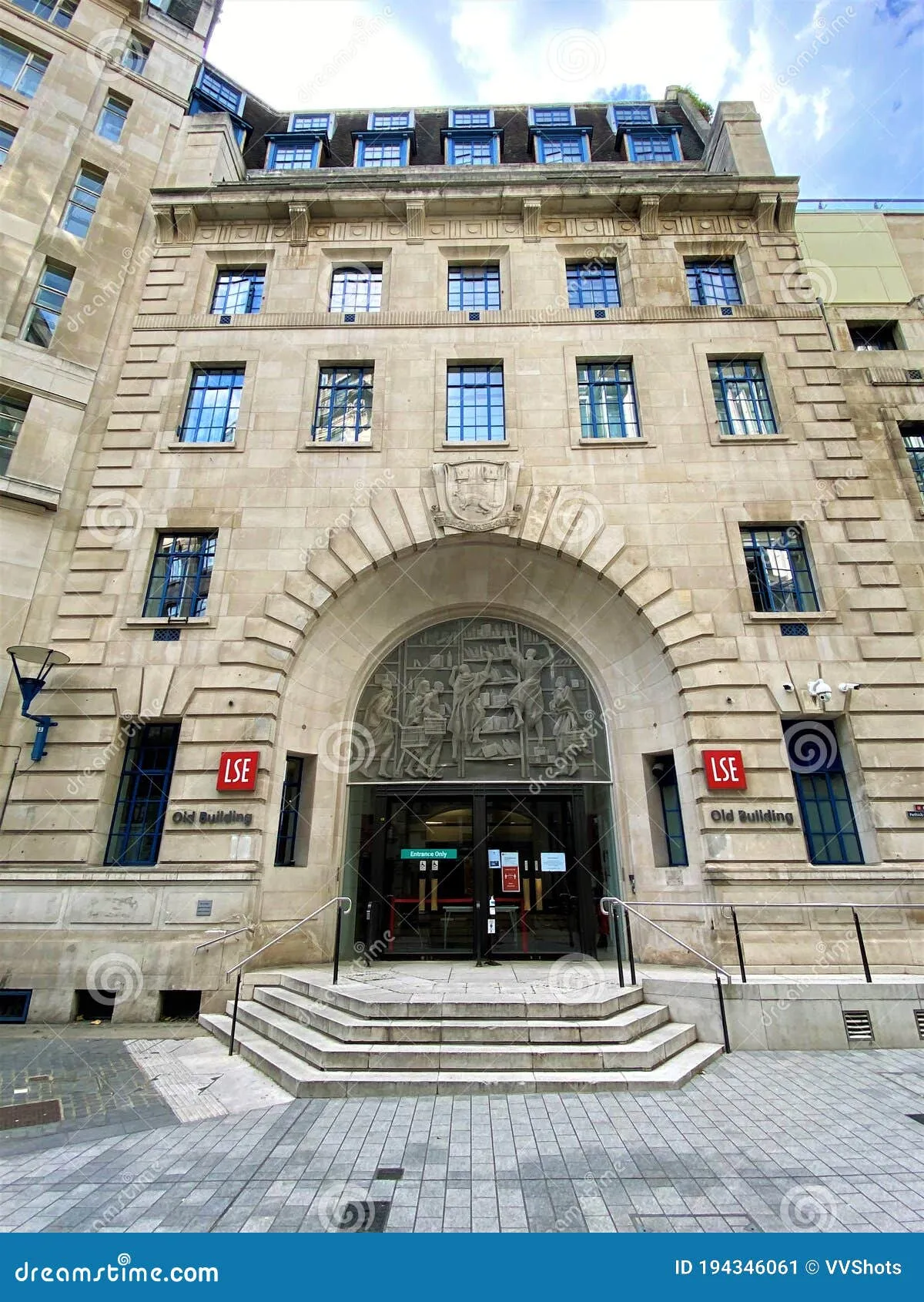 Photo: London School of Economics, via thumbs.dreamstime.com
The question isn't academic. Emma admits to mild anxiety about returning items: "There's always this moment where I think, 'What if I damage it? What if I can't afford to replace it?' You're borrowing someone else's confidence along with their clothes."
Beyond the Wardrobe
Fashion rental might grab headlines, but it's merely the gateway drug to a broader transformation. Fat Llama, the 'Airbnb for stuff,' reports 400% growth in garden equipment rentals as Brits discover they can have perfectly manicured lawns without sacrificing garage space to hedge trimmers they use twice yearly.
"Why own a pressure washer for the two days a year you need one?" asks Fat Llama user James Cooper, who's rented everything from camping gear to camera equipment through the platform. "I've got access to thousands of pounds worth of tools, but my shed contains nothing but a bicycle and some cobwebs."
The psychology here is fascinating. James describes feeling 'lighter' since embracing rental culture—liberated from the burden of ownership but somehow more connected to a wider community of stuff-sharers. "I'm not responsible for maintaining these things, storing them, insuring them. I just use them and give them back. It's like having a very practical fairy godmother."
The Wedding Dress Dilemma
Perhaps nowhere is the rental revolution more psychologically complex than in wedding attire. Platforms like Wish Want Wear and Nearly Newlywed allow brides to rent designer gowns for a fraction of their retail price, but the emotional mathematics prove more complicated than the financial ones.
"I saved £3,000 by renting my dress," says recent bride Charlotte Webb. "But there's something strange about returning the most important outfit of your life. Like, what do you do with the photos? Do you tell people it wasn't really yours?"
Charlotte's dilemma illuminates the broader tension in rental culture. Traditional ownership provided not just access to objects, but emotional anchoring—the security of permanence, the comfort of control, the satisfaction of accumulation. Rental culture offers freedom from these burdens, but also freedom from these comforts.
The Identity Paradox
The most profound implications emerge in how rental culture affects self-presentation and social signalling. When anyone can access luxury goods for the price of a gym membership, the traditional markers of wealth and status begin to lose their meaning.
"I've stopped assuming anything about people's financial situations based on what they're wearing," admits fashion blogger Sophie Chen. "That Bottega Veneta bag could be a £2,000 purchase or a £20 rental. The democratisation of luxury is also the democratisation of deception."
This uncertainty cuts both ways. While rental culture allows people to experiment with identities they couldn't otherwise afford, it also creates what sociologists call 'performance anxiety'—the pressure to constantly refresh and upgrade one's temporary lifestyle to maintain social positioning.
The Subscription Self
What emerges is something unprecedented: the subscription self. Rather than slowly accumulating possessions that reflect and reinforce identity, Brits are increasingly sampling identities through temporary ownership. The mountain biker who rents equipment for weekend adventures, the dinner party host who borrows designer tableware, the festival-goer who rents camping gear—each represents a different facet of self-expression enabled by access rather than ownership.
"I'm not sure I have a consistent aesthetic anymore," reflects Emma Richardson. "My style changes depending on what's available to rent. It's liberating and terrifying in equal measure. I can be anyone for a weekend, but I'm not sure who I am the rest of the time."
The Environmental Equation
The rental revolution also carries profound environmental implications. By Rotation claims its platform prevents 80% of rental items from being purchased new, while Fat Llama estimates that shared ownership reduces manufacturing demand by up to 60% for certain product categories.
"Rental culture is accidentally solving overconsumption," argues environmental economist Dr Mark Thompson. "When access trumps ownership, we naturally optimise for use rather than accumulation. It's circular economy by stealth."
Yet this environmental virtue comes with psychological costs. The satisfaction of ownership—caring for objects, maintaining them, forming emotional attachments—represents a form of relationship that rental culture explicitly prevents.
The Return Anxiety
Perhaps the most telling aspect of rental culture is what users call 'return anxiety'—the peculiar stress of temporary ownership. Unlike traditional shopping, where buyer's remorse follows purchase, rental culture creates 'returner's remorse'—the regret of giving back something you've grown attached to.
"I rented a Reformation dress for a wedding and loved it so much I considered buying it outright," admits By Rotation user Lucy Palmer. "But the rental price was £30 and the purchase price was £300. So I returned it and felt genuinely sad for days. It's like a breakup with an inanimate object."
This emotional complexity reveals rental culture's fundamental tension: it promises freedom from ownership while creating new forms of attachment and loss. We're becoming a nation of very well-dressed tenants, but tenancy—even of objects—comes with its own psychological rent.
The Future of Having
As rental platforms expand from fashion into furniture, art, and even pets (yes, really), the question becomes not what we can rent, but what we still choose to own. In a world where everything is temporarily available, permanence becomes the ultimate luxury.
"I still buy books," says dedicated renter James Cooper. "Everything else I can borrow, but books I need to own. They're the only things I want to keep forever."
Perhaps that's the future of ownership in Britain: not the accumulation of everything, but the careful curation of the few things we can't bear to return. In the subscription economy, the question isn't what we can afford to buy—it's what we can afford to keep.