Nothing to Declare: Britain's Love Affair with Temporary Ownership

The Commitment Phobic Consumer
Britain has always been a nation of renters—from our beloved council houses to our famously unaffordable property market. But something fascinating has happened in the last five years: we've extended this philosophy to everything else. Handbags, art, plants, even wedding dresses now come with return dates. We've created an entire economy based on the radical proposition that wanting something and owning it forever might be two completely different things.
Meet the new British consumer: commitment-phobic, environmentally conscious, and absolutely convinced that access trumps ownership. They're renting £3,000 handbags for weekend trips, subscribing to furniture that changes with their moods, and treating their wardrobes like a Netflix queue. The question is whether this represents genuine liberation from material excess or just a more sophisticated way to have our cake and eat it—repeatedly.
The Psychology of Temporary Thrills
There's something deliciously rebellious about renting a Chanel bag for a wedding you'll attend once, then sending it back like it never happened. It's consumption without consequence, desire without commitment, luxury without the lifetime of payments. The rental economy has tapped into a uniquely British trait: we love the idea of things more than the reality of having them cluttering up our lives.
Dr Sarah Mitchell, a behavioural psychologist at University College London, explains the appeal: 'Rental allows people to satisfy the immediate desire without the long-term responsibility. It's like dating for objects—all the excitement, none of the awkward conversations about where to put your stuff.'
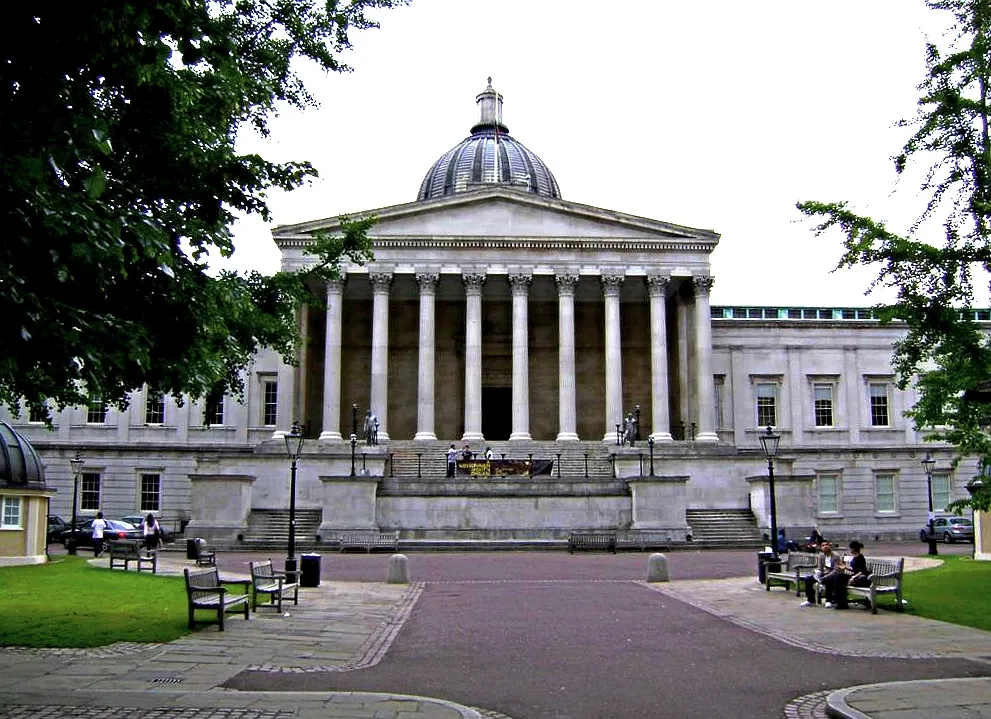 Photo: University College London, via 1.bp.blogspot.com
The psychological sweet spot lies in the temporary nature of the arrangement. When you know something is leaving, you appreciate it more intensely. That designer dress feels more special when you have just one evening to wear it. The £400 coffee machine becomes an event rather than an appliance when it's only visiting for three months.
The Instagram Effect
Social media has turbocharged the rental revolution by creating demand for constant novelty. Your followers don't want to see the same Zara dress in three different posts; they want to see three different dresses that suggest you have an endless wardrobe and the budget to match. Rental services have become the Instagram economy's dirty little secret—the way ordinary people maintain extraordinary online personas without extraordinary bank balances.
Sarah Chen, founder of luxury handbag rental service 'Borrowed Time', sees this clearly: 'Our customers aren't just renting bags; they're renting identities. They want to be the person who carries a Birkin to brunch, but they don't want to be the person who spends £8,000 on a handbag. Rental lets them have both.'
The result is a generation of British consumers who've mastered the art of temporary transformation. They're method actors in the theatre of consumption, trying on different versions of themselves through carefully curated rental experiences.
The Subscription Sofa Society
Furniture rental represents the rental economy's boldest frontier—the colonisation of our most intimate spaces. Companies like Feather and Fernish promise to furnish your entire flat for less than the cost of a decent sofa, with the added bonus of being able to swap everything out when you get bored. It's IKEA meets Netflix: flat-pack convenience with binge-watching flexibility.
The appeal is obvious for Britain's increasingly transient urban population. Why buy a £2,000 sofa for a flat you'll leave in eighteen months? Why commit to a dining table when you're not even sure you want to be the kind of person who hosts dinner parties? Rental furniture lets you test-drive different versions of domestic life without the commitment of a mortgage-sized furniture bill.
But there's something deeper at play. The subscription sofa society reflects a fundamental shift in how young Britons think about home. Previous generations bought furniture as investments in their future selves; this generation rents furniture as experiments in their present selves. The home becomes a constantly evolving expression of who you are right now, not who you think you'll be in ten years.
The Environmental Alibi
The rental economy has found the perfect moral justification: sustainability. Why own twelve handbags when you can share twelve handbags with twelve other people? Why buy fast fashion when you can rent slow fashion? The environmental argument is compelling and largely accurate—shared ownership does reduce waste and resource consumption.
But it also provides the perfect psychological cover for what might otherwise feel like indulgence. Renting that £500 dress isn't frivolous; it's environmentally responsible. That monthly furniture subscription isn't commitment-phobic; it's carbon-conscious. The rental economy has managed to make wanting more feel like caring more.
This environmental alibi is particularly powerful in Britain, where green credentials have become a form of social currency. The rental customer gets to satisfy their desire for luxury while maintaining their identity as someone who cares about the planet. It's virtue signalling with a return label.
The Hidden Costs
For all its liberation rhetoric, the rental economy comes with its own set of psychological traps. The monthly payments feel smaller than purchase prices, but they add up quickly. That £80-a-month furniture subscription costs nearly £1,000 a year—enough to buy decent furniture that you'd own forever.
More insidiously, rental can become a form of perpetual wanting without ever achieving satisfaction. When nothing is permanent, nothing is ever truly yours. The rental customer exists in a state of constant low-level shopping, always browsing the next thing to try, never quite settling into contentment with what they have.
The Future of Wanting
The rental economy represents more than a business model; it's a philosophy about the nature of desire itself. In a world where change is the only constant, perhaps the ability to want temporarily is more valuable than the ability to own permanently.
But there's also something lost in translation. Ownership, for all its burdens, offers a particular kind of satisfaction—the deep contentment of things that become more beautiful with age, that carry the patina of your life, that feel like home because they've been home for years.
The rental generation might discover that some things are worth keeping after all. Or they might pioneer an entirely new way of being human—one where freedom trumps possession, where experience matters more than accumulation, where the ultimate luxury is the ability to walk away from everything you've ever wanted.
Either way, Britain's love affair with temporary ownership says something profound about our relationship with desire itself. We want everything, but we want it lightly. We want the thrill without the commitment, the experience without the burden, the story without the storage costs.
In the end, perhaps that's the most British approach to consumption of all: having our cake, eating it, and sending it back when we're done.