Home

Category

Psychology

40 articles

Velvet Rope Dreams: The Brilliant Con of Paying for the Right to Pay

Velvet Rope Dreams: The Brilliant Con of Paying for the Right to Pay

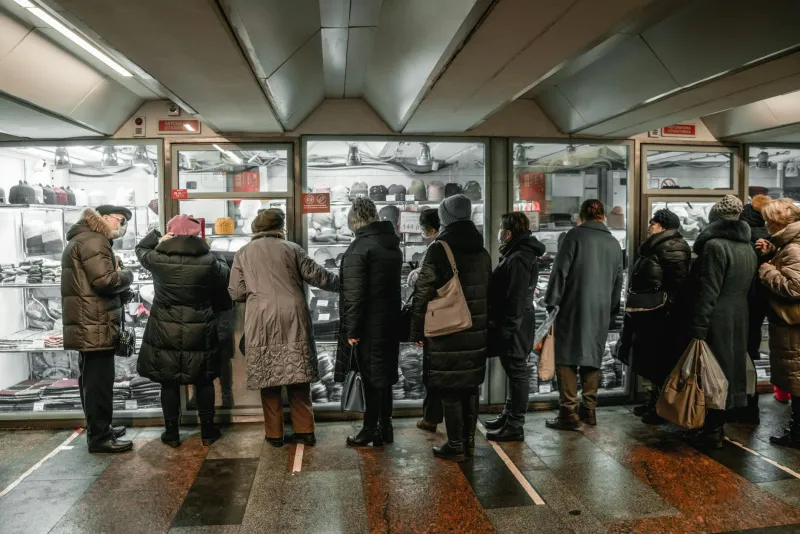
Somewhere between the waitlist email and the members-only drop, Britain forgot that shopping is supposed to be something you do, not something that happens to you. Welcome to the Waiting Room Economy, where being allowed to spend your money has become the most coveted status symbol of all. The queue is the product now.

The Number That Ruins Everything: How the First Price Tag Rewires Your Brain Forever

The Number That Ruins Everything: How the First Price Tag Rewires Your Brain Forever

Before you bought that 'reasonably priced' sofa, a number lodged itself in your brain and quietly decided what 'reasonable' meant. Behavioural economists call it anchoring. Retailers call it Tuesday. This is the story of the cognitive trick that shapes every purchase you've ever made — and why understanding it hasn't made any of us even slightly better at resisting it.

Plan B, Actually: The Quiet Joy of Britain's Accidental Favourites

Plan B, Actually: The Quiet Joy of Britain's Accidental Favourites

We went in wanting one thing and came out devoted to something else entirely. Britain has developed a peculiar talent for falling head over heels for the backup option — and retailers have noticed. Welcome to the understudy economy, where second best keeps winning.

Premium Prisoner: How Britain Got Trapped in the Upgrade Economy

Premium Prisoner: How Britain Got Trapped in the Upgrade Economy

From first class train tickets to oat milk lattes, Britain has become addicted to paying more for marginally better versions of the same thing. We investigate how brands turned 'basic' into a dirty word and made upgrading feel less like choice than compulsion.

The Comfort Purchase: Why Britain Shops for Emotional Insurance

The Comfort Purchase: Why Britain Shops for Emotional Insurance

From John Lewis guarantees to Marks & Spencer receipts, certain British retailers function less as shops and more as anxiety management services. An investigation into why we pay premium prices for the feeling that everything will be fine.

Monthly Amnesia: Britain's £2.3 Billion Direct Debit Disaster

Monthly Amnesia: Britain's £2.3 Billion Direct Debit Disaster

We're the nation that remembers every slight from secondary school but mysteriously forgets about seventeen different streaming services bleeding our bank accounts dry. An investigation into Britain's collective subscription Stockholm syndrome.

Bargain Brain: The Twisted Logic of British Sale Shopping

Bargain Brain: The Twisted Logic of British Sale Shopping

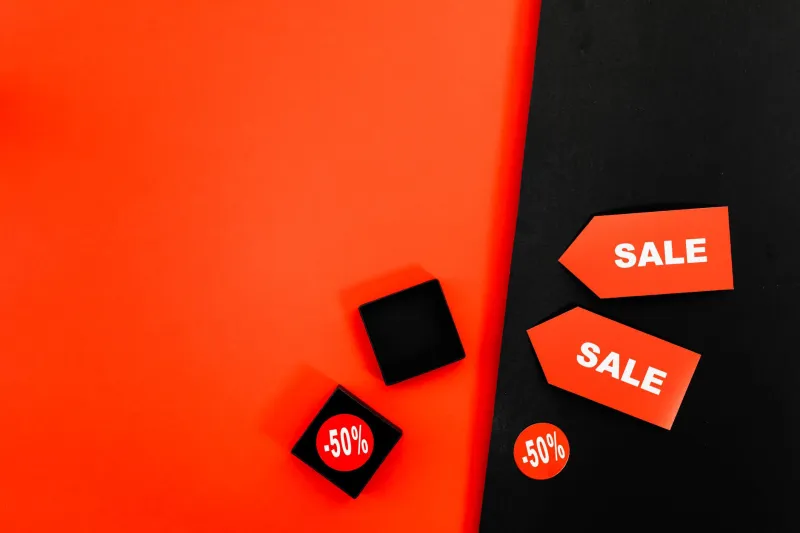
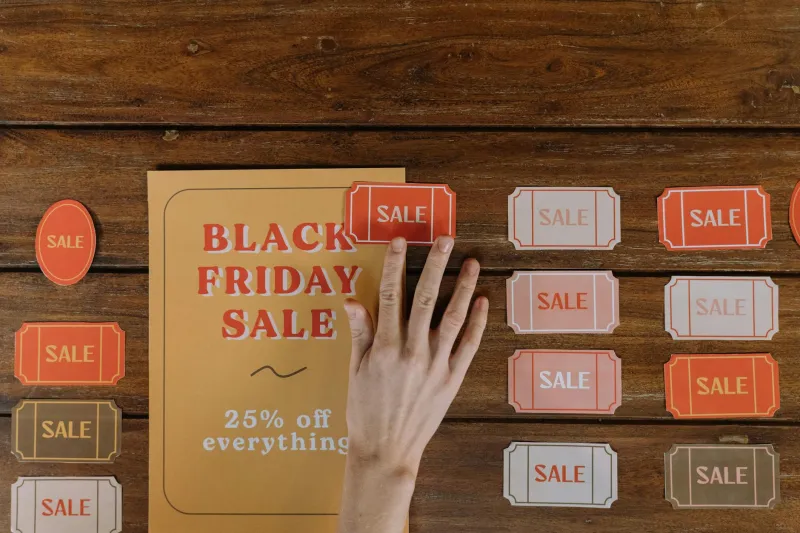
Britain has perfected the mathematical illusion that spending money equals saving money. From Black Friday stampedes to clearance aisle psychology, we've convinced ourselves that the more we don't need something, the more sense it makes to buy it at a discount.

Sacred Objects: Why Britain's Best Purchases Are Never Actually Used

Sacred Objects: Why Britain's Best Purchases Are Never Actually Used

From unworn designer shoes to unlit luxury candles, Britain has perfected the art of buying beautiful things we're too precious to enjoy. It's retail therapy meets religious reverence, where the anticipation of someday being worthy trumps the pleasure of actually having.

Exit Strategy: How Britain Turned Shopping Into a Side Hustle

Exit Strategy: How Britain Turned Shopping Into a Side Hustle

Meet the new breed of British shoppers who buy everything with one eye on the resale value. From Vinted entrepreneurs to Facebook Marketplace moguls, we've quietly revolutionised retail by treating every purchase as a potential business opportunity.

In Transit: Britain's Love Affair with the Returns Window

In Transit: Britain's Love Affair with the Returns Window

While the rest of Europe treats returns policies as consumer protection, Brits have quietly transformed the 14-day cooling off period into a lifestyle philosophy. We've discovered the sweet spot between wanting and having—and we never want to leave.

Same Difference: How Britain Became Addicted to Buying What We Already Have

Same Difference: How Britain Became Addicted to Buying What We Already Have

From the iPhone 15 to the 'new improved' washing machine, Brits are trapped in an endless cycle of replacing perfectly good things with marginally better versions. We investigate why the nation that invented 'if it ain't broke, don't fix it' has become obsessed with fixing things that work perfectly well.