Velvet Rope Dreams: The Brilliant Con of Paying for the Right to Pay
There is a particular type of email that has become catnip for a certain kind of British consumer. It arrives with the quiet authority of a boarding pass. It says something like: You're on the list. It does not tell you what you're on the list for, exactly, or when the list will resolve itself into an actual transaction. It simply confirms your place in a hierarchy you didn't know you'd applied to join. And somehow — somehow — this is enough to make your week.
Welcome to the Waiting Room Economy. Population: everyone who's ever refreshed their inbox hoping for permission to spend £300 on a jacket.
The Privilege of Purchase
Let's be honest about what's happening here. Brands have managed to invert the fundamental logic of commerce. Historically, the seller needed the buyer. Now, increasingly, the buyer must audition for the seller. Soho House doesn't just want your money — it wants to decide whether you're worthy of giving it your money. Supreme doesn't run a shop; it runs a weekly lottery dressed in a hoodie. And Gymshark's product drops have, at various points, crashed websites and inspired people to set alarms at 6am on a Tuesday.
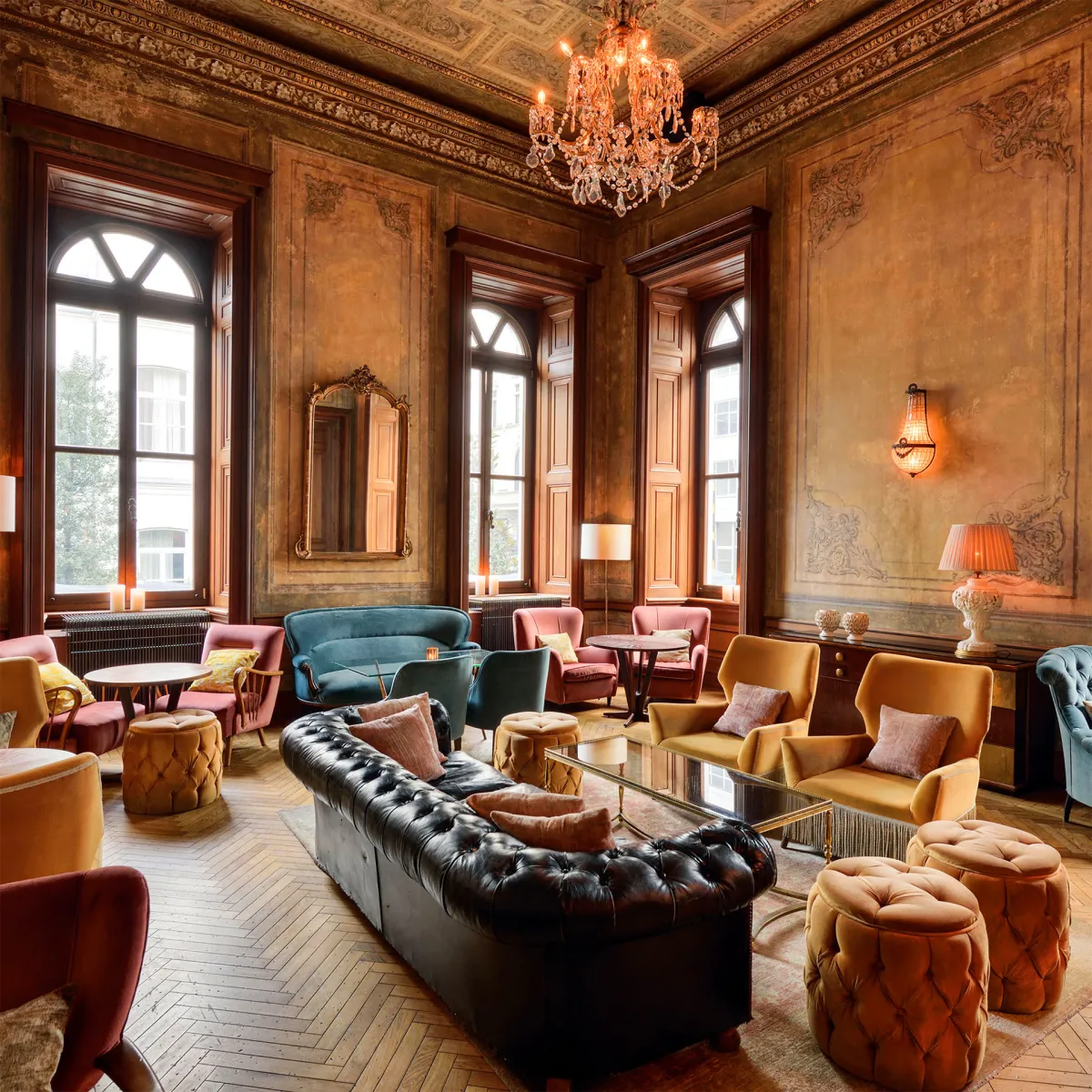 Photo: Soho House, via static.prod.r53.tablethotels.com
This is not accidental. It is, in fact, one of the most sophisticated psychological operations in modern retail.
The mechanics vary, but the architecture is consistent. You create scarcity — real or manufactured. You add friction to the purchase journey. You make the consumer perform desire before they're permitted to express it. The result is that by the time the velvet rope lifts, the buyer isn't just purchasing a product. They're purchasing vindication. They got in. They were chosen. The dopamine hit isn't about the thing — it's about the access.
Britain's Particular Weakness
Other nations queue. Britain worships the queue. There is something deep in the national character that has always interpreted waiting as a moral virtue — the longer you've suffered, the more deserving you are of what's at the end. We invented orderly queuing as a civic religion. Is it any wonder we've become the ideal market for brands that have gamified the waiting experience?
Consider the British relationship with the Hermès Birkin. You cannot simply buy one. You must first establish a purchasing history with the brand — essentially proving your loyalty through a portfolio of scarves, belts, and homeware before you're even invited to consider a bag that starts at £8,000. Hermès calls this a relationship. Psychologists might call it a sunk cost trap. British women with Birkins call it worth every penny, and they are not wrong, because the story of getting one is arguably more valuable than the bag itself.
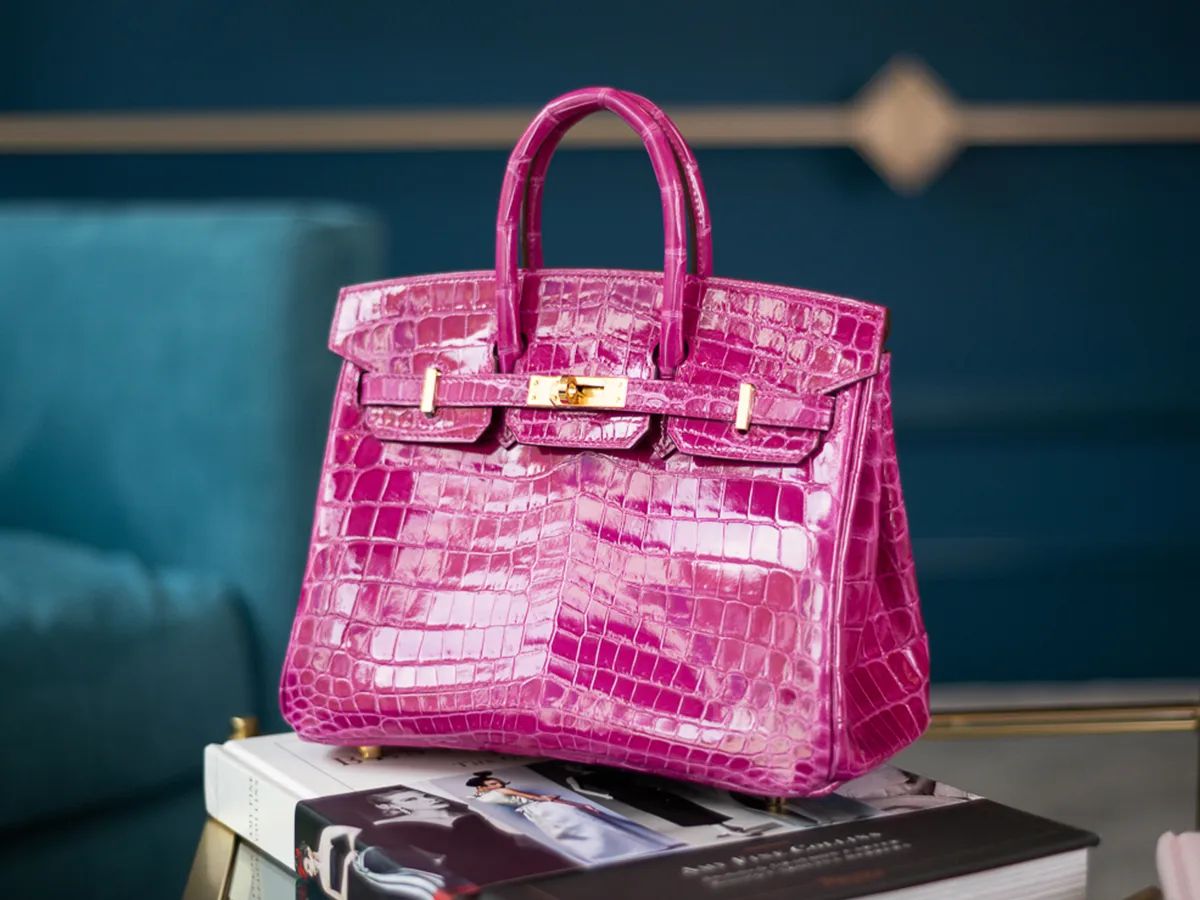 Photo: Hermès Birkin, via globalboutique.com
Or consider the Soho House membership waitlist, which at various points has stretched to tens of thousands of names and functioned as a social credential in its own right. Being on the Soho House waitlist was, for a certain demographic of London media professionals circa 2019, a more interesting dinner party anecdote than actually being a member.
The Psychology of the Velvet Rope
What's really being sold in the Waiting Room Economy isn't a product. It's a self-concept.
Psychologists call this reactance — the intensification of desire when something is perceived as scarce or restricted. Tell someone they can't have something, and they want it more. This is not a bug in human cognition; it's a feature that every decent marketer has known about for decades. But the modern exclusivity mechanics go further than simple scarcity. They don't just restrict access — they rank it.
When you receive an invitation-only pre-order email, you're being told, implicitly, that you are not like other consumers. You are the kind of person brands notice. The kind of person who gets the early access. The kind of person who is, in some meaningful if completely intangible way, better. This is extraordinarily powerful, because it transforms the act of spending money into an act of identity confirmation.
The product, at this point, is almost beside the point. You could be buying a very expensive candle. You are experiencing the candle as proof of your own cultural relevance.
When Scarcity Is a Lie
Here's the uncomfortable part. A meaningful proportion of manufactured scarcity is exactly that — manufactured. Limited drops that aren't particularly limited. Waitlists that exist to create urgency rather than manage genuine demand. Members-only access to things that would, frankly, admit anyone with a functioning credit card.
This doesn't make the psychology less effective. If anything, it makes it more impressive. Brands like Supreme have built entire empires on the principle that the appearance of scarcity is indistinguishable, emotionally, from the real thing. By the time a consumer discovers that the limited-edition trainer was perhaps less limited than advertised, they've already bought it, already worn it, already posted it. The desire has been satisfied. The receipt has been filed.
British consumers, who pride themselves on not being mugged off, are nonetheless remarkably susceptible to this particular form of theatre. Perhaps because the alternative — admitting that you queued for three hours for something you could have bought on eBay the following Tuesday — is too deflating to contemplate.
The Real Cost of Getting In
There is, of course, a darker footnote to the Waiting Room Economy. The friction and exclusivity that creates desire also creates exclusion. Membership models, invitation-only access, and purchasing history requirements don't just manufacture aspiration — they encode it. The Hermès model doesn't just reward loyalty; it rewards existing wealth. The Soho House waitlist doesn't just curate culture; it curates class.
The velvet rope, in other words, is not neutral. It has always been a mechanism for deciding who belongs and who doesn't. The genius of the modern iteration is that it's convinced the people standing outside that being on the waitlist is almost as good as being inside.
Almost. But that 'almost' is doing an enormous amount of work.
Somewhere right now, a British consumer is refreshing their email, waiting for permission to spend money they've already decided to spend, on something they've already decided they want. They will feel, when the invitation arrives, a surge of genuine satisfaction — the specific pleasure of having been chosen.
And the brand will feel something too. Something very much like profit.