The Patience Tax: How Britain's Retailers Discovered the Art of Profitable Procrastination
The Patience Tax: How Britain's Retailers Discovered the Art of Profitable Procrastination
There's something deeply perverse about paying £300 for a jumper you can't have for three months, yet that's precisely what happened to Sarah Chen last Tuesday outside a Mayfair boutique. She'd booked an appointment six weeks prior, waited forty-five minutes past her allocated slot, then emerged with a cashmere piece that wouldn't arrive until after Christmas. "The longer I waited," she confesses, "the more expensive everything looked."
Sarah has stumbled into Britain's newest retail psychology experiment: the patience tax. Across the country, from Shoreditch concept stores to Cotswolds ceramics studios, retailers have discovered that making customers wait doesn't drive them away—it drives prices up.
The Appointment-Only Advantage
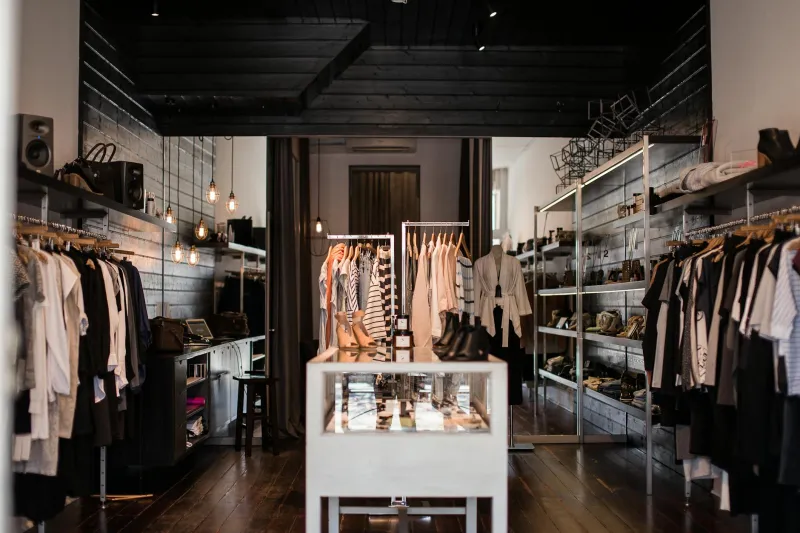
The appointment-only boutique represents the purest distillation of this phenomenon. What began as a pandemic necessity has evolved into a premium positioning strategy. At Albam's Beak Street store, customers must book 48 hours ahead for the privilege of trying on £200 trousers. The result? Average basket values have increased by 34% since implementing the system.
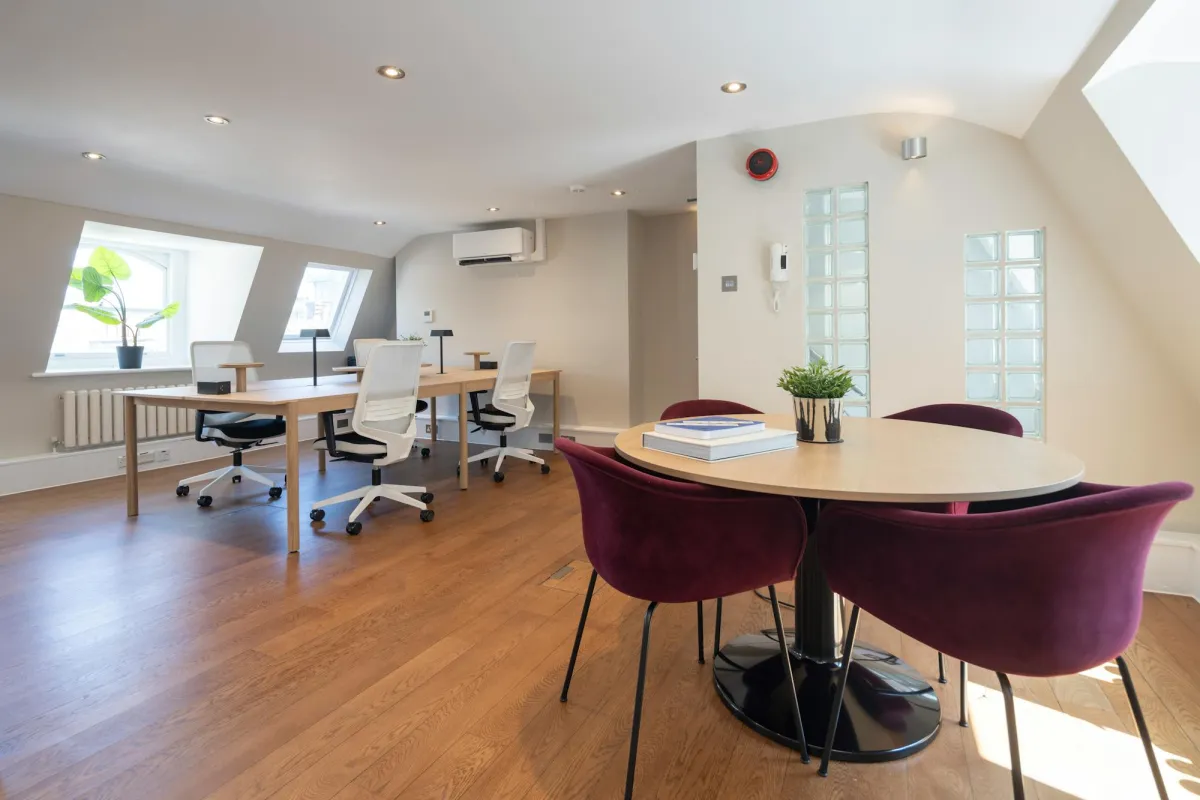 Photo: Beak Street, via as-images.imgix.net
"When someone books time specifically to see you, they're already emotionally invested," explains retail psychologist Dr Marcus Webb. "The appointment creates a sunk cost fallacy before they've even spent a penny. They've invested time, so the purchase feels like completing a transaction rather than starting one."
The mathematics are brutal in their simplicity. The harder something is to access, the more valuable it appears. Liberty's personal shopping service, with its three-week waiting list, reports that clients spend on average 60% more than walk-in customers. The wait transforms shopping from impulse to intention, and intention always costs more than impulse.
The Delivery Window Paradox
But appointment-only retail is merely the tip of the iceberg. The real genius lies in what the industry calls 'productive friction'—deliberately slowing down the buying process to increase its perceived value. Consider the curious case of Vitsoe, the furniture company that quotes 12-16 week delivery times for shelving systems that could theoretically be manufactured in days.
"The wait becomes part of the product," says customer James Morrison, who's currently eleven weeks into his Vitsoe journey. "I find myself researching it obsessively, planning where each shelf will go, buying books to fill it. By the time it arrives, I'll have spent twice the original budget on what I call 'shelf ecosystem purchases.'"
This anticipatory spending represents a entirely new revenue stream. While James waits for his £2,000 shelving system, he's already acquired £800 worth of what he terms 'shelf-adjacent purchases'—lighting, books, decorative objects. The wait hasn't dampened his enthusiasm; it's weaponised it.
The Waitlist as Sales Tool
Perhaps most perversely, some retailers have discovered that running out of stock deliberately can be more profitable than staying in stock. Ganni's 'notify when available' button generates 40% more sign-ups than their regular newsletter, and customers who join product waitlists spend an average of £150 more on their eventual purchase than those who buy immediately.
"Scarcity creates urgency, but waiting creates attachment," explains behavioural economist Professor Helen Chang. "When you've waited three months for a handbag, you don't just buy the handbag. You buy the entire lifestyle you've imagined during those three months."
The data supports this theory in startling ways. Customers who wait more than four weeks for a product are 23% more likely to purchase additional items at the point of delivery, and 45% more likely to recommend the brand to friends. The wait transforms customers into evangelists.
The Premium of Postponement
What's particularly British about this phenomenon is how it's been wrapped in the language of craftsmanship and authenticity. "Good things take time" has become the rallying cry of retailers who've discovered that artificial scarcity is more profitable than actual abundance. The six-week delivery window for a simple white t-shirt isn't a inconvenience—it's a badge of discernment.
Restaurant reservation systems provide the clearest example of this psychology in action. Sketch's three-month waiting list for afternoon tea doesn't deter customers; it justifies the £75 price tag. The wait becomes proof of value, transforming delayed gratification into immediate social currency.
The Hidden Cost of Anticipation
But there's a darker side to Britain's patience economy. The psychological investment in waiting often leads to what economists call 'completion bias'—the overwhelming urge to finish what you've started, regardless of changing circumstances. Sarah Chen's cashmere jumper purchase came six weeks after she'd been made redundant, but the emotional investment in waiting made walking away feel impossible.
"I'd already waited so long," she explains. "Cancelling felt like admitting I'd wasted those six weeks. So I bought it anyway."
This represents the true genius of the patience tax. It transforms time into emotional equity, making the final purchase feel not like spending money, but like claiming a dividend on invested attention. In a world where everything is instantly available, the retailers who've learned to make us wait have discovered something profound: in Britain, anticipation has become the most expensive emotion of all.
The question isn't whether we're willing to pay more for things we have to wait for. The question is whether we can afford not to.