Premium Prisoner: How Britain Got Trapped in the Upgrade Economy
The Tyranny of Tiers
There's a particular British panic that strikes when faced with three pricing options. Not the paralysis of choice—that's different. This is the dawning realisation that you've already lost before you've even begun to decide. The 'basic' option sounds like giving up on life. The 'premium' feels like showing off. So you choose the middle tier, knowing full well you've been expertly manipulated into exactly what they wanted you to pick.
Welcome to Britain's upgrade economy, where paying more has become less about getting better and more about avoiding the shame of settling. We've created a nation of premium prisoners, trapped in an endless cycle of trading up that promises elevation but delivers only the temporary relief of not being basic.
The New Normal Creep
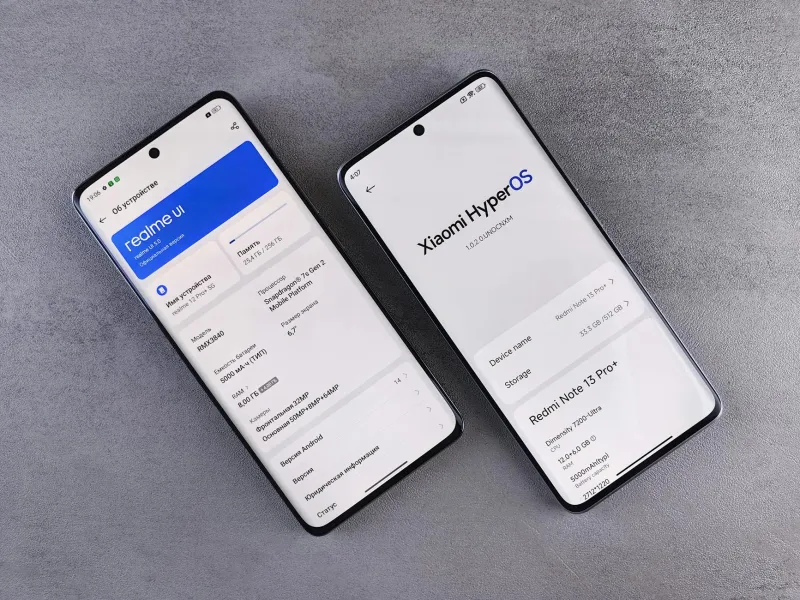
Consider your mobile phone contract. Remember when unlimited texts felt revolutionary? Now the 'basic' package includes more data than most households used five years ago, yet somehow still feels inadequate. Networks have perfected the art of making yesterday's luxury feel like today's poverty line.
The psychological mechanism is brutally effective. By constantly redefining what constitutes the baseline, brands ensure that standing still feels like moving backwards. Your coffee shop introduces oat milk as a premium option at 60p extra. Six months later, dairy milk feels like an admission that you don't care about the planet, your health, or keeping up with food trends. The upgrade becomes less about wanting oat milk and more about not wanting to be the person who doesn't want oat milk.
The Anxiety Engine
Britain's high street has become an anxiety engine, churning out micro-moments of social dread. Walk into any chain restaurant and face the wine list: house wine suggests you're cheap, the most expensive suggests you're flashy, so you pick something from the upper-middle range that costs three times what you'd pay in Tesco. You're not buying wine; you're buying the absence of judgment.
The streaming wars have perfected this psychology. Netflix's basic tier now feels almost insulting—one screen, no HD, the digital equivalent of being asked to sit at the children's table. Premium subscribers aren't paying for four screens; they're paying to not feel like digital peasants. The platforms know that most households rarely use more than two screens simultaneously, but they've made the basic tier feel so deliberately limited that upgrading seems like common sense rather than manipulation.
The Subscription Trap
Subscription services have weaponised the upgrade impulse with devastating efficiency. Spotify Free trains you to associate ads with poverty, making Premium feel less like a luxury and more like basic human dignity. LinkedIn Premium promises to make you the kind of professional who has LinkedIn Premium, creating a circular logic where the product's value lies primarily in signalling that you're the sort of person who buys it.
The genius lies in the recurring payment. A one-off £50 purchase requires justification; a £5 monthly subscription feels almost free. By the time you realise you've spent £60 on something you rarely use, the psychological sunk cost makes cancelling feel like admitting failure.
The Premium Paradox
The most insidious aspect of the upgrade economy is how it's inverted the relationship between desire and satisfaction. Traditional marketing sold you things you wanted; the upgrade economy sells you escape from things you don't want to be. You don't upgrade because you love premium—you upgrade because you can't bear basic.
This creates what economists call the 'hedonic treadmill' on steroids. Each upgrade briefly satisfies, then becomes the new normal, requiring another upgrade to achieve the same psychological effect. First-class train travel stops feeling special when you've been doing it for six months. Business class becomes the new economy. Premium economy becomes the new cattle class.
The Social Signal
The British class system has found its perfect modern expression in the upgrade economy. Your Amazon Prime delivery speed, your Uber tier, your coffee order complexity—each choice broadcasts your position in the hierarchy of caring enough to pay more. We've replaced 'keeping up with the Joneses' with 'keeping up with the algorithms', where your purchasing choices are constantly benchmarked against invisible others who apparently all choose premium.
Social media amplifies this pressure exponentially. Instagram doesn't show you the hundreds of people who chose the basic option; it shows you the influencer who chose premium-plus-extra-special. The upgrade economy feeds on comparison, turning every purchase into a referendum on your self-worth.
The Way Out
Breaking free from the upgrade trap requires recognising it for what it is: a brilliantly designed psychological machine that profits from your fear of inadequacy. The basic option isn't an insult—it's often exactly what you need, stripped of the emotional manipulation.
The next time you're faced with three tiers of anything, ask yourself: what am I actually buying? If the answer is 'the feeling of not being someone who chooses basic', you're not making a purchase—you're paying tribute to the upgrade economy.
The most radical act in modern Britain might just be choosing basic and meaning it.
 Photo: Eiffel Tower, via cdn.creazilla.com