Plan B, Actually: The Quiet Joy of Britain's Accidental Favourites
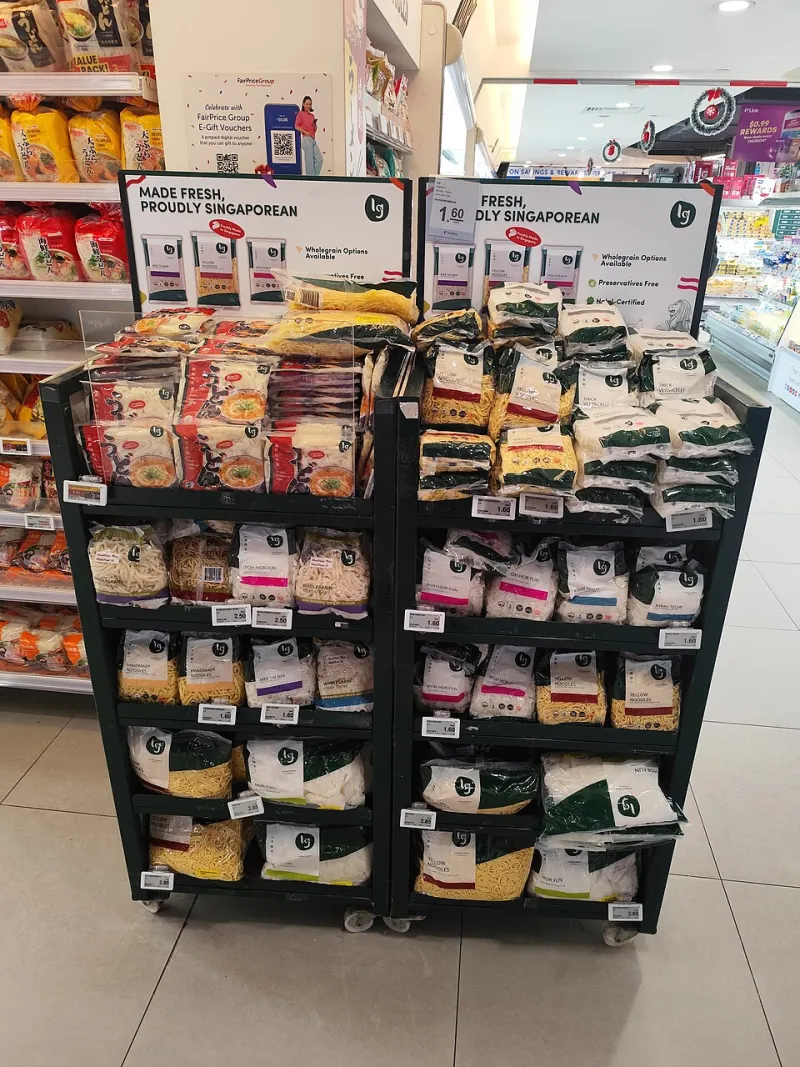
Photo: JohnLim99, CC BY-SA 4.0, via Wikimedia Commons
Plan B, Actually: The Quiet Joy of Britain's Accidental Favourites
There's a particular type of British contentment that doesn't get nearly enough airtime. It's not the triumphant satisfaction of getting exactly what you wanted. It's something quieter, stranger, and honestly more interesting: the slow-burning realisation that the thing you settled for is, somehow, the thing you actually love.
Call it the Plan B Paradox. The Tesco Finest pasta sauce that replaced the Italian import when Waitrose ran out and never got replaced back. The Lake District holiday booked in a mild panic after Tuscany hit fully-booked. The M&S suit purchased because the one you'd spent six weeks researching was out of your size. Britain is absolutely littered with these accidental love stories, and we're not talking about them nearly enough.
The Sold-Out Saviour
Let's start with the basic mechanics. You want something specific. It's unavailable — out of stock, out of budget, out of season, or simply out of reach. You are forced, reluctantly, to consider alternatives. You pick one. And then, somewhere between the initial disappointment and the moment you actually use the thing, something shifts.
Psychologists have a name for part of this: cognitive dissonance reduction. When we're forced into a choice we didn't want, our brains quietly get to work justifying it. We start noticing the things the backup does better. We stop grieving the original. We rewrite the story so that we weren't robbed of something — we were guided toward something.
But that's only part of it. The more interesting piece is what happens when the understudy genuinely outperforms. And it does, more often than you'd think.
The Own-Brand Revelation
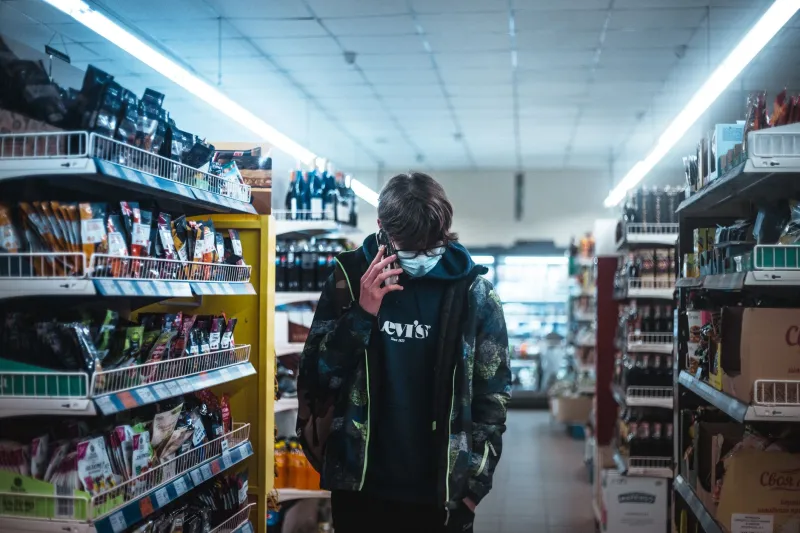
Ask any British supermarket buyer and they'll tell you that the pandemic did more for own-brand loyalty than thirty years of marketing ever managed. When the shelves stripped bare and Heinz Tomato Soup became a theoretical concept, people reached for the store equivalent — and discovered, to their mild horror, that it was fine. Actually, more than fine.
Sainsbury's own-brand coffee sales reportedly surged by double digits in 2020 and, crucially, didn't fall back when the branded alternatives returned. Britain had been nudged off its perch of brand loyalty and found the view perfectly acceptable. The backup had become the staple.
This isn't unique to food. The same pattern plays out across electronics, clothing, and travel. The budget airline that felt like a compromise turned into the default carrier once you realised you didn't actually need the legroom you'd been paying for. The Argos blender that stood in for the KitchenAid is still going strong five years later, its survivorship quietly undermining the case for the premium option.
What Retailers Are Doing About It (Deliberately)
Here's where it gets interesting — and slightly sinister. Retailers have cottoned on to the understudy effect and are now engineering it.
The practice is sometimes called "strategic substitution" in trade circles, but it's less clinical than that sounds. It involves placing a slightly less expensive, slightly more available alternative in the eyeline of someone reaching for their first choice. Not aggressively. Not with a banner saying THIS IS BETTER. Quietly. Suggestively. With a small card that says "Customers who bought this also loved..."
Amazon's recommendation engine is the most sophisticated version of this, but it exists in physical retail too. John Lewis has long been known for its considered approach to shelf adjacency — placing own-label alternatives beside premium brands in a way that invites comparison without demanding it. The goal isn't to sell you something worse. It's to introduce you to something you might, given time and lowered expectations, love more.
Because the secret the retail industry has quietly worked out is this: the purchase you're slightly unsure about generates more loyalty than the purchase you were certain of. The certain purchase confirms a belief. The uncertain one creates a story. And stories, as any brand strategist will tell you over an overpriced lunch, are what keep people coming back.
The Holiday Effect
Perhaps nowhere is the understudy effect more powerful than in travel. The British relationship with the holiday-we-didn't-book is a thing of genuine emotional complexity.
People who ended up in Cornwall because Mallorca was full, or in Portugal because Greece was too expensive that year, routinely describe those destinations with a warmth that their original choice never quite gets. There's a theory about this rooted in effort justification — we value things more when we had to work (or adapt) to get them — but there's also something simpler at play.
When you go somewhere you didn't originally want, you arrive without a mental checklist of things it needs to be. You're not measuring it against the fantasy version. You're just... there. And places, it turns out, are remarkably good at being themselves when you let them.
Visit Britain's research has repeatedly shown that domestic destinations overperform on satisfaction scores relative to pre-trip excitement levels. People expect to be mildly disappointed by Whitby or Tenby or the Gower Peninsula. They are, almost universally, not.
The Upgrade You Didn't Ask For
There's one more dimension worth examining: the substitute that arrives better than the original, without announcement.
This happens in online retail with alarming regularity. You order one thing; the warehouse sends a slightly newer model because the old one's discontinued. You order a specific fabric; it's been upgraded to a better one at no extra cost. These moments — small, unremarkable to the retailer — land with disproportionate emotional force. You feel chosen. You feel lucky. And you feel, perhaps most importantly, like the brand is on your side.
The accidental upgrade is now so well-understood as a loyalty mechanism that some brands deploy it semi-deliberately, particularly for lapsed customers they're trying to re-engage. Send someone something slightly better than they ordered and you've done more than a discount voucher ever could.
The Lesson Britain Keeps Forgetting
For a nation that spends an inordinate amount of time researching purchases, obsessing over specifications, and reading reviews written by strangers at midnight, Britain is curiously bad at acknowledging that the research often doesn't matter.
The thing we wanted most, chosen with maximum deliberation, is frequently not the thing we end up loving most. The understudy — chosen under duress, by default, or by accident — steps into the light and delivers.
Maybe the real luxury isn't getting exactly what you want. Maybe it's being open enough to discover you wanted something else all along.
Plan B, it turns out, has been waiting patiently in the wings this whole time. And it knows every line.