The Art of Almost Having
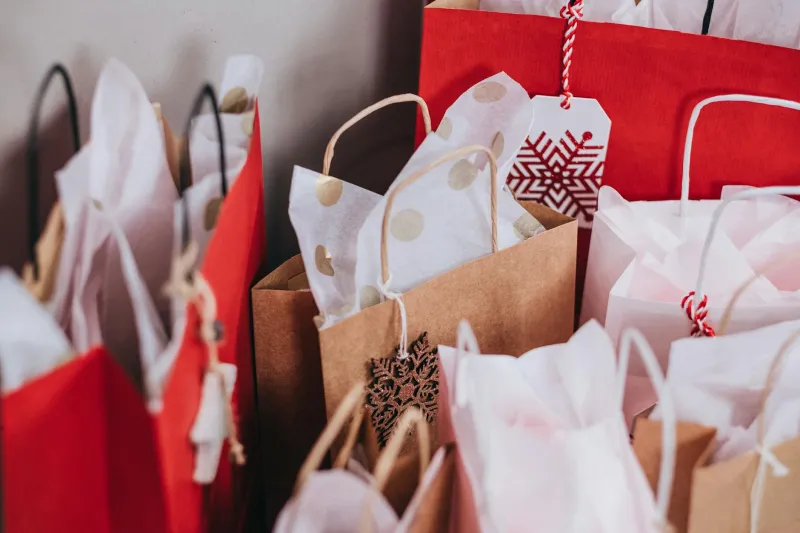
There's a peculiar British ritual that happens every month, usually around the 25th. It involves opening multiple browser tabs, scrolling through saved Instagram posts, and mentally calculating whether this month's bonus/overtime/tax refund might finally be enough for that leather jacket you've been eyeing since February. Welcome to the 'Next Payday' economy – Britain's most successful retail sector that exists entirely in our heads.
We've become masters of deferred gratification, but with a distinctly modern twist. Where previous generations might have saved up in earnest, we've developed something far more sophisticated: the perpetual state of pre-ownership. That Scandi coffee table isn't just bookmarked on your laptop – it's already mentally positioned in your living room, complete with the perfect styling and the admiring comments from dinner party guests.
The Catalogue Generation Grows Up
Anyone who lived through the 1990s will remember the sacred ritual of the IKEA catalogue. Not the glossy, Instagram-ready version of today, but those thick, dog-eared tomes that lived permanently on kitchen tables across Britain. Families would spend Sunday afternoons planning entire room makeovers, children arguing over bunk bed configurations, parents mentally rearranging their entire homes around a Billy bookcase.
The catalogue wasn't just about furniture – it was about possibility. Each page turn revealed another version of yourself, another way your life could look if only you had £200 and a weekend free. The genius wasn't in the Swedish design philosophy; it was in creating a space where wanting felt almost as satisfying as having.
Digital Desire in the Instagram Age
Fast-forward to 2024, and we've digitised this delicious torture. Instagram's 'Save' function has become Britain's unofficial wishlist, a curated gallery of aspirational living that updates faster than our bank balances. We screenshot outfit inspiration, bookmark holiday destinations, and create Pinterest boards with the dedication of museum curators.
The modern 'Next Payday' shopper operates across multiple platforms simultaneously. There's the Amazon basket perpetually hovering at £47.83 (always just shy of free delivery), the ASOS saved items that get mysteriously restocked just as you've forgotten about them, and the Rightmove property alerts for houses that cost three times your annual salary.
The Psychology of Perpetual Postponement
What's fascinating isn't that we can't afford these things – it's that we don't really want to. Research suggests that anticipation activates the same pleasure centres in our brains as actual acquisition, sometimes more intensely. The moment between wanting and having has become its own form of entertainment, a free hobby that requires nothing more than WiFi and imagination.
Consider the phenomenon of the 'phantom purchase' – that moment when you finally have the money for something you've been wanting, only to discover you've moved on to wanting something else entirely. The leather jacket that consumed your thoughts for months suddenly seems less essential when you can actually afford it. The thrill was never in the having; it was in the almost-having.
The Great British Queue, Digitalised
There's something quintessentially British about this approach to consumption. We've taken our national love of queuing and applied it to shopping, creating orderly lines of desire that stretch across months rather than minutes. The 'Next Payday' mentality is essentially a very polite way of rationing our wants, ensuring everyone gets their turn to dream.
This digital queuing system has its own etiquette. There's the monthly ritual of the basket review, where items are either promoted to 'definitely next month' or demoted to 'maybe when I get a raise'. There's the seasonal purge of saved posts that no longer spark joy, and the careful curation of new desires to replace the old.
The Economics of Emotional Ownership
Retailers have cottoned on to this behaviour, of course. The 'Save for Later' button isn't just a convenience feature – it's a psychological trap that keeps you emotionally invested in products you haven't bought. Email reminders about items in your basket aren't helpful notifications; they're dopamine dealers keeping you hooked on the possibility of purchase.
But perhaps we're the ones who've won this game. In a world where ownership increasingly means debt, subscription fees, and the anxiety of maintaining possessions, maybe the 'Next Payday' economy offers something better: all the pleasure of shopping with none of the buyer's remorse.
The Sustainable Future of Fantasy
As we become more conscious of consumption's environmental impact, the 'Next Payday' approach starts to look less like procrastination and more like wisdom. Every item that lives permanently in our saved folders is one less thing cluttering our homes and consciences. We've accidentally created the ultimate sustainable shopping model: infinite browsing, minimal buying.
The next time you find yourself scrolling through that carefully curated collection of things you'll 'definitely buy next month', remember: you're not procrastinating. You're participating in Britain's most sophisticated form of entertainment, where the real product isn't the item itself, but the delicious possibility that someday, somehow, it might be yours. And honestly? That might be enough.