The Hobby Graveyard: A Loving Tribute to Everything You Were Going to Get Really Good At
Somewhere in your home, there is a yoga mat that has been rolled out fewer times than you've considered rolling it out. Next to it, possibly, a ukulele. This is not failure. This is Britain's most expensive and most optimistic form of interior decoration.
Welcome to the aspiration graveyard — that particular region of the loft, spare room, or bottom cupboard where good intentions go to gather dust in original packaging. The calligraphy set. The bread maker. The watercolour kit. The professional-grade camera purchased after a single inspiring walk in the Peak District. The pottery wheel. God, the pottery wheel.
Britain spends an estimated £2 billion a year on hobby equipment that will, statistically, be used fewer than three times before achieving permanent storage status. That's not a figure to be ashamed of. That's a figure to be examined, because it tells you something genuinely interesting about the gap between who we are and who we fully intend to become.
The Purchase as Identity Event
Here is the central paradox of the aspiration purchase: the buying of the thing feels almost indistinguishable from the doing of the thing. The moment you order the bread maker, you are, in some meaningful psychological sense, a person who makes bread. You have declared an intention. You have committed resources. You have, in the most transactional way possible, invested in a future self.
This is not irrational. It's how the brain processes potential. Neuroscientific research suggests that anticipating a positive future activates many of the same reward pathways as actually experiencing it. The planning, the purchasing, the imagining — these aren't just preamble. They deliver their own genuine hit of satisfaction.
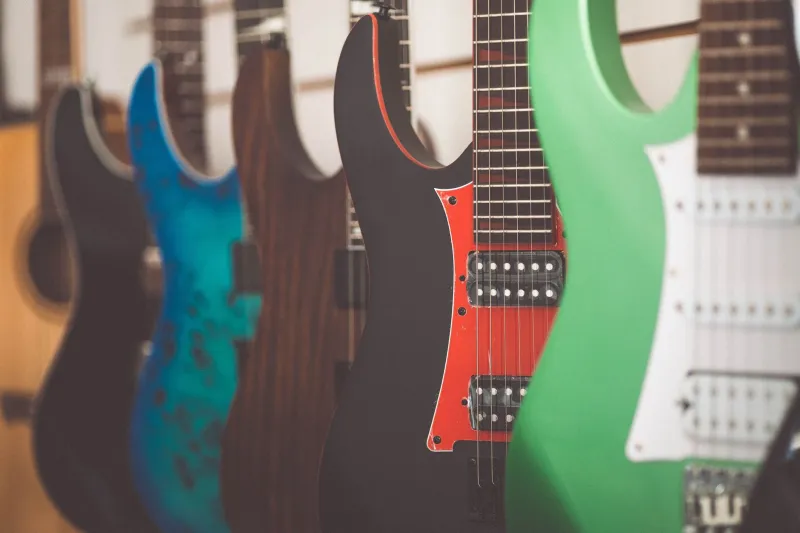
Which means, awkwardly, that buying the guitar can feel almost as good as learning to play it. And considerably easier. And available right now with next-day delivery.
Retailers have understood this for a very long time, even if they couldn't have told you the neurological mechanism. The copy on hobby equipment doesn't sell the product. It sells the person you'll be once you own it. 'Unlock your creativity.' 'Discover your inner chef.' 'Start your journey.' The journey, notably, requires no further purchases beyond the one you're currently making.
The Taxonomy of the Abandoned Hobby
Not all aspiration purchases are created equal. There is a rough taxonomy.
The Pandemic Purchase deserves its own category. The lockdown years produced a particular vintage of abandoned hobby equipment — sourdough starters that didn't survive to 2021, jigsaws completed once and immediately donated, exercise equipment that became extremely expensive clothes horses. These were purchased under unique conditions of enforced domesticity and should perhaps be judged less harshly than their successors.
The New Year Acquisition is the classic. Purchased in late December or early January, used with genuine enthusiasm for approximately eleven days, then quietly retired to a corner of the bedroom where it serves as a mild source of guilt until it's donated or sold on Facebook Marketplace for 30% of its original price.
The Inspired Purchase follows a specific trigger — a documentary, a friend's Instagram, a particularly good meal at a restaurant that made you think, briefly and incorrectly, that you could cook like this at home. These purchases are emotionally vivid and practically doomed, because the inspiration that generated them is impossible to sustain once the initial feeling fades.
The Gradual Escalation is perhaps the most expensive variety. This begins with genuine engagement — you do actually try the thing — but somewhere between beginner and intermediate, the equipment upgrades outpace the skill development. The entry-level camera is replaced by a mid-range body before the entry-level one has been properly mastered. The beginner's running shoes are retired for a gait-analysed pair before you've run a 10K. The spending continues long after the enthusiasm has plateaued.
What the Retailers Know
The hobby industry is not naive about conversion rates. It knows that the majority of people who buy a yoga mat will not become regular practitioners. It knows that most bread makers will be used four times before retirement. It knows that the piano keyboard in the bedroom will mostly serve as a surface for other objects.
And it has structured itself accordingly. Beginner equipment is priced to be accessible — low enough to feel like a reasonable gamble, high enough to feel like a commitment. Accessories and upgrades are priced for the minority who persist but marketed to everyone. The business model relies not on creating dedicated hobbyists but on the constant churn of enthusiastic beginners.
Craft retailers in particular are experts at this. The starter kit is a gateway rather than a destination. The online tutorial that comes with the purchase is just enough to get you started and just insufficient to get you competent without buying more materials. The community aspect — the workshops, the forums, the social media — is partly genuine and partly a very effective mechanism for sustaining spending past the initial purchase.
The Fantasy Is the Product
Here's the thing about the aspiration purchase, and it's a thing that doesn't get said often enough: the fantasy is worth something. The version of yourself who bakes sourdough, who plays the piano on Sunday mornings, who develops their own film in a darkroom — that version of yourself is genuinely appealing. Spending money on imagining them isn't entirely wasted.
There's a reasonable argument that the £80 pottery wheel that sat in the garage for two years before being sold for £30 was still a worthwhile purchase, if the pleasure of imagining using it was real and sustained. If you enjoyed thinking about the pottery you were going to make, the pottery wheel did its job. It just did a different job than advertised.
The problem isn't wanting to improve. The problem is the retail system's cheerful willingness to sell you the improvement without the effort, to let you believe that owning the equipment is meaningfully adjacent to having the skill. It isn't. But the belief is very comfortable, very affordable on a monthly payment plan, and available in a range of colours.
A Modest Proposal
Before the next aspiration purchase, a single question: do you want to do this thing, or do you want to have done this thing?
Because they are very different desires. Wanting to have done it is wanting the identity without the practice, the result without the process, the version of yourself who plays guitar without the Tuesday evenings of frustrating chord changes. That's a legitimate want. It's just not one that a guitar will satisfy.
Wanting to do it — genuinely, regularly, even when it's difficult — that's different. That's worth the equipment, the space it takes up, the initial awkwardness. That's actually going to get used.
The yoga mat can tell the difference. It's been watching you walk past it for eight months.
It's not judging you. It just thinks you should know.