The Queue That Never Ends
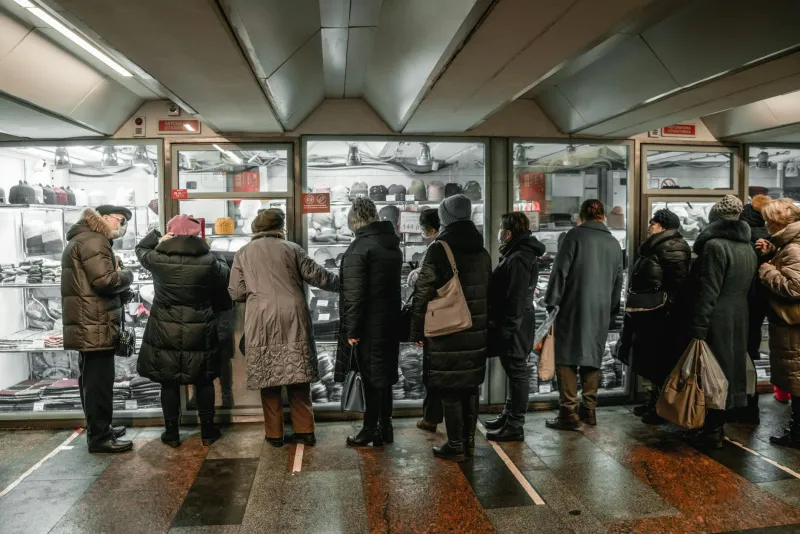
There's something distinctly British about the way we've embraced pre-ordering with the enthusiasm of a Wimbledon queue. We're a nation that once stood patiently for rationed butter, and now we're applying that same stoic determination to securing the next iPhone three months before it launches. The difference? This time, we're paying upfront for the privilege of waiting.
Pre-ordering has evolved from a practical necessity—ensuring you got your copy of the new Harry Potter—into something approaching a national pastime. Walk into any Game store and witness the ritualistic dance of customers putting down deposits on games they've seen thirty seconds of trailer for. Visit John Lewis during the run-up to Christmas and observe the careful choreography of shoppers securing gifts that won't arrive until February.
The Dopamine of Delayed Gratification
Dr Sarah Mitchell, a consumer psychologist at Manchester University, has spent the last three years studying what she calls "anticipatory purchasing behaviour." Her findings suggest that the act of pre-ordering triggers a unique neurochemical response—we get the satisfaction of having made a purchase decision without the immediate reality check of actually owning the thing.
 Photo: Manchester University, via www.world-guides.com
"It's like buying a lottery ticket," Mitchell explains. "Between purchase and delivery, the item exists in a perfect state where it can't disappoint you. It's Schrödinger's shopping basket—simultaneously everything you hoped for and nothing that can let you down."
This psychological sweet spot explains why Britain spent an estimated £2.3 billion on pre-orders last year, from Tesla Cybertrucks that may never materialise to festival tickets for events that ended up cancelled. We're not just buying products; we're purchasing optimism in its purest form.
The Theatre of Almost Having
Retailers have cottoned on to this peculiar British enthusiasm for maybe-ownership. Limited editions, early bird discounts, and "reserve now, pay later" schemes have multiplied faster than self-checkout machines in Tesco. The language of scarcity has become the mother tongue of modern marketing: "Only 500 available," "Pre-order exclusive," "Be among the first."
Nike's SNKRS app has turned trainer pre-ordering into something resembling a religious experience. Users set alarms, refresh obsessively, and celebrate successful pre-orders with the fervour once reserved for actual achievements. The shoes themselves? Often resold before they're even delivered, suggesting the real product was always the thrill of the chase.
When Tomorrow Never Comes
But what happens when the future arrives? Sarah, a 34-year-old marketing manager from Leeds, has pre-ordered everything from kitchen gadgets to concert tickets over the past year. "The weird thing is, I'm always slightly disappointed when things actually turn up," she admits. "There's this moment where you've forgotten you even ordered something, and then it arrives and reality crashes the party."
This disconnect between anticipation and arrival has created a peculiar subset of British consumers who seem to prefer the pre-order to the product. Facebook groups dedicated to "pre-order regret" have thousands of members sharing stories of items that seemed essential in March but feel pointless in September.
The Economics of Expectation
The pre-order economy has fundamentally altered how we think about ownership. Traditional shopping required immediate exchange—money for goods, satisfaction or disappointment delivered instantly. Pre-ordering stretches this transaction across months, creating a liminal space where we're neither fully committed nor entirely free.
This temporal distortion has practical implications. Research from the Bank of England suggests that pre-order spending is less likely to trigger buyer's remorse in the short term, leading to higher average transaction values. We're more willing to spend £300 on a gadget arriving in six months than £300 on the same gadget available today.
The Art of Professional Waiting
Meet James, a 28-year-old software developer who's turned pre-ordering into something approaching an art form. His spreadsheet tracks 47 active pre-orders, from vinyl records to video games to a sourdough starter kit. "It's like having Christmas every few weeks," he explains. "Except I bought myself all the presents and forgot what most of them were."
James represents a growing demographic of "anticipation addicts"—consumers who've gamified the gap between wanting and having. They've discovered that in a world of instant gratification, delayed gratification has become the ultimate luxury.
The Future of Maybe
As Britain's love affair with pre-ordering intensifies, retailers are pushing the boundaries of what constitutes a purchasable future. Subscription boxes for products that don't exist yet, NFTs of items still in development, and "concept pre-orders" for goods that may never materialise.
We've created an economy where the promise has become more valuable than the product, where the journey matters more than the destination. In true British fashion, we've found a way to make queuing profitable—even when there's nothing at the front of the line.
Perhaps that's the point. In a world where everything is available immediately, the last truly scarce commodity isn't the product itself—it's the anticipation of having it. And if there's one thing Britain has always done brilliantly, it's making the most of a good wait.