The Acceptable Face of Excess
There's a particular species of British shopper that haunts the aisles of Hobbycraft, John Lewis, and every stationery section in the land. They move with purpose, filling baskets with yarn they'll never knit, notebooks they'll never fill, and pasta machines that will spend eternity in their boxes. Meet Britain's most socially acceptable hoarders: the practical purchasers.
Unlike their American cousins who openly embrace retail therapy, Brits have perfected the art of disguising shopping addiction as preparedness. We don't buy things we don't need—we buy things we might need, someday, possibly, if we ever get around to becoming the crafty, organised, domestically competent people we're convinced we're meant to be.
The Great British Cupboard Audit
A recent survey by the Home Organisation Institute (yes, that's a real thing) revealed that the average British household contains £847 worth of unused 'practical' items. That's enough unopened craft supplies to stock a small shop, enough unused kitchen gadgets to outfit a restaurant, and enough pristine stationery to run a small council office.
Let's break this down by room:
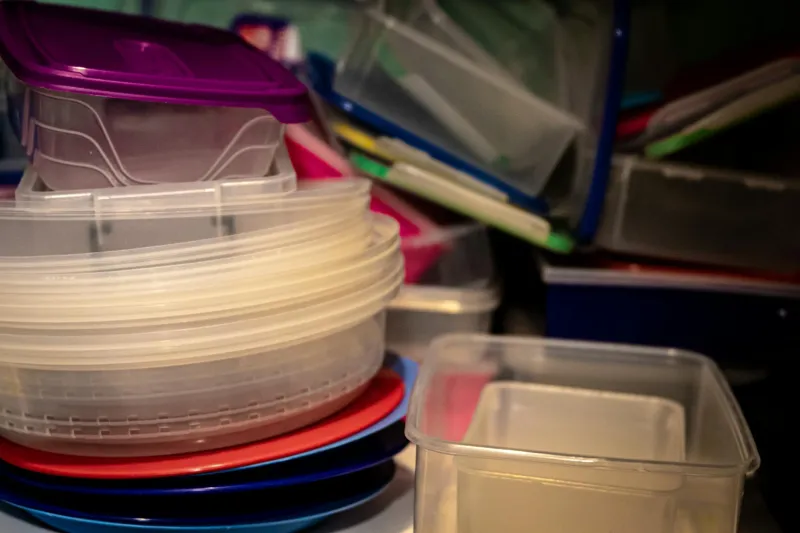
The Kitchen: Where pasta machines go to die alongside bread makers, spiralisers, and enough Tupperware to containerise the contents of a medium-sized warehouse. The British kitchen cupboard is where culinary ambition meets reality and quietly surrenders.
The Spare Room: Officially designated as guest accommodation, but actually functioning as a shrine to abandoned hobbies. Here lie the remnants of our brief flirtations with watercolour painting, scrapbooking, and that month when everyone was going to learn calligraphy.
The Loft: The final resting place for exercise equipment that promised to transform us into fitness enthusiasts, and boxes of fabric that were going to become curtains, cushion covers, and the kind of home we see in magazines.
The Logic of Just in Case
What drives this behaviour isn't greed—it's optimism wrapped in practicality. We're not buying indulgently; we're being sensible. After all, what if we do suddenly develop an interest in macramé? What if we finally get around to making that photo album? What if the zombie apocalypse comes and we need seventeen different types of adhesive tape?
This is retail therapy with a respectable cover story. Unlike buying another handbag or pair of shoes (frivolous!), purchasing craft supplies demonstrates foresight, creativity, and domestic competence. It's not shopping—it's investing in our potential selves.
Take Linda from Surbiton, whose spare room resembles a small branch of Hobbycraft. "I like knowing I could make something if I wanted to," she explains, gesturing towards boxes of fabric, yarn, beads, and what appears to be enough PVA glue to construct a small building. "It's not about actually making things—it's about having the option."
The Stationery Situation
Nowhere is this phenomenon more pronounced than in Britain's relationship with stationery. We are a nation of notebook collectors, pen hoarders, and sticky note enthusiasts who have somehow convinced ourselves that the right organisational system will finally turn us into the efficient, productive humans we're meant to be.
The average British adult owns fourteen unused notebooks, twenty-three pens that don't work, and enough Post-it notes to paper a small flat. Yet we continue to buy more, drawn by the promise that this notebook—this particular shade of blue, this specific paper texture—will finally be the one that transforms us into organised, list-making, goal-achieving machines.
The Kitchen Gadget Graveyard
British kitchens tell the story of a nation perpetually on the verge of becoming excellent cooks. We own bread makers (used twice), ice cream makers (used once), and spiralisers (used never, but we definitely intend to eat more courgetti). Our cupboards are graveyards for good intentions, populated by gadgets that promised to revolutionise our cooking but ended up revolutionising our storage solutions instead.
The pasta machine phenomenon deserves particular attention. Despite the fact that dried pasta exists, costs pennies, and takes three minutes to cook, Brits have collectively spent millions on machines that turn the simple act of making spaghetti into a two-hour ordeal requiring the coordination of a small military operation. Yet we persist, convinced that fresh pasta is somehow the key to Italian-level happiness.
The Craft Supply Mountain
Perhaps nowhere is the gap between intention and reality wider than in the craft supply industry. Hobbycraft's annual profits are built on the dreams of people who believe they're going to become crafters, despite all evidence to the contrary.
We buy yarn for jumpers we'll never knit, fabric for quilts we'll never make, and enough scrapbooking supplies to document several lifetimes. The craft supply industry has successfully convinced us that creativity can be purchased in advance, stored in cupboards, and accessed whenever we finally find the time to become artistic.
The Psychology of Preparedness
What's really happening here is a form of psychological insurance. By purchasing the tools and materials for activities we might someday want to do, we're keeping our options open, maintaining the possibility of becoming different, more interesting versions of ourselves.
Dr. Sarah Mitchell, a consumer psychologist at the University of Bath, explains: "These purchases represent potential energy—they're not about what we are, but what we could become. There's genuine comfort in knowing you could, theoretically, make your own curtains or bake your own bread, even if you never actually do it."
The Guilt-Free Shopping High
Unlike buying clothes or electronics, purchasing practical items comes with built-in moral justification. We're not being frivolous—we're being prepared. We're not shopping for pleasure—we're investing in skills. We're not accumulating stuff—we're creating possibilities.
This makes practical purchases the perfect guilt-free shopping high. There's no buyer's remorse when you're purchasing yarn, because yarn represents the possibility of handmade jumpers, and handmade jumpers represent love, creativity, and domestic competence. The fact that the yarn will spend eternity in a bag in the spare room is irrelevant—what matters is the possibility.
The British Way of Wanting
Perhaps this behaviour reveals something essentially British: our love of potential over actuality, our preference for the idea of doing something over the messy reality of actually doing it. We've created a culture where owning the tools for self-improvement is almost as good as the improvement itself.
In the end, our cupboards full of unused practical items aren't evidence of failure—they're monuments to hope. Every unopened craft kit, every pristine notebook, every boxed kitchen gadget represents our unshakeable belief that tomorrow we might become the kind of people who make things, create things, organise things.
And really, isn't that rather beautiful? In a world of instant gratification, we've found a way to make the anticipation last forever. We may never use our pasta machines, but we'll always have the possibility of fresh ravioli. And sometimes, possibility is enough.