The Set Dressing of Modern Life
Walk into any middle-class British home and you'll find the evidence scattered like clues in a very expensive murder mystery: the Taschen photography book prominently displayed but clearly unread, the collection of small-batch gins arranged like trophies on the kitchen counter, the expensive kitchen gadgets that gleam with the lustre of things that have never fulfilled their intended purpose.
We've become a nation of accidental set designers, curating our living spaces not for our own pleasure but for the imagined approval of visitors who may never come. It's domestic theatre on an unprecedented scale, and the ticket price is our collective sanity.
The Audience That Doesn't Exist
Social anthropologist Dr Rebecca Hayes has spent two years studying what she terms "performative consumption" across British households. Her research reveals a fascinating disconnect: while 73% of respondents admitted to buying items specifically "to look good," only 23% could identify who they were actually trying to impress.
 Photo: Dr Rebecca Hayes, via img1.wsimg.com
"We're performing for a phantom audience," Hayes explains. "It's as if we've internalised some imaginary panel of judges who might, at any moment, inspect our bookshelves and find us wanting. The irony is that everyone else is too busy arranging their own performance to notice ours."
This psychological phenomenon has created what Hayes calls "the observer paradox of modern shopping"—we're all simultaneously performer and absent audience, buying things to impress people who are too distracted by their own performative purchases to notice.
The Props Department of Aspiration
Consider the curious case of the coffee table book. Once a genuine leisure activity—heavy tomes of art and photography designed for lazy Sunday browsing—they've evolved into something closer to interior design accessories. Publishers now produce books explicitly designed never to be read, with titles like "Luxury Interiors" and "The Art of Living Well" that function as lifestyle mood boards rather than literature.
Waterstones reports that their bestselling photography books show minimal signs of wear when returned or traded in. "It's like they've been bought, displayed, and preserved in amber," observes store manager Caroline Webb. "We joke that some of these books are still technically virgins—unopened and untouched."
The Kitchen Theatre
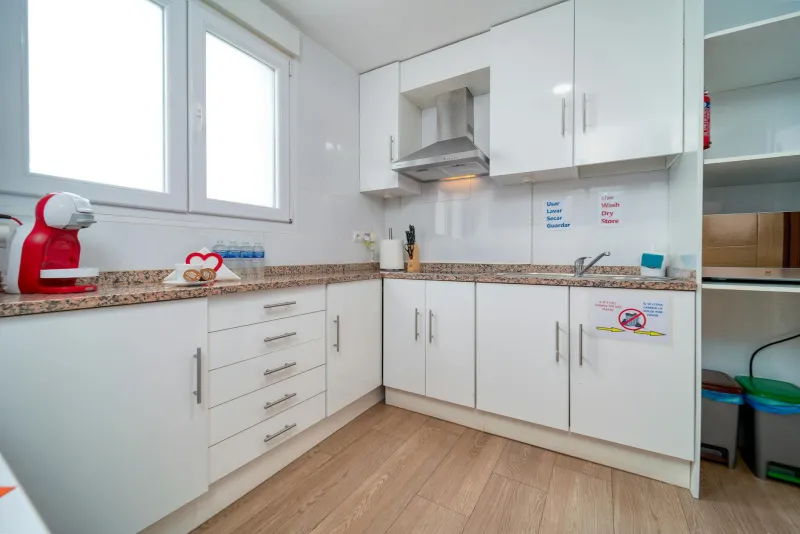
Nowhere is performance shopping more evident than in Britain's kitchens, where we've collectively invested billions in equipment for cooking we'll never do. The stand mixer that's used twice a year. The pasta machine gathering dust. The collection of specialist oils and vinegars that expire before they're opened.
Food blogger and reformed kitchen equipment addict Tom Richardson has documented his own journey from performance chef to actual cook. "I had £3,000 worth of kit and couldn't make a decent omelette," he admits. "The expensive copper pans were basically very expensive wall art. I was running a restaurant set without the restaurant."
 Photo: Tom Richardson, via cdna.artstation.com
Richardson's experience reflects a broader British tendency to confuse ownership with expertise, to mistake having the right props for knowing the script.
The Wellness Stage
The wellness industry has perfected the art of selling performance props. Yoga mats that never see a downward dog, meditation cushions used as occasional seating, essential oil collections that function more as aromatic interior design than therapeutic tools.
Lululemon's sales data reveals a telling pattern: their most expensive items—the ones most likely to be photographed and shared on social media—show the lowest rates of actual athletic use. We're buying costumes for a lifestyle we're not actually living.
The Economics of Appearing
This phantom audience economy represents a significant portion of British consumer spending. Market research firm Mintel estimates that up to 30% of non-essential purchases are motivated primarily by how they'll be perceived by others, rather than personal use or enjoyment.
The financial implications are staggering. The average British household spends approximately £2,400 annually on what could be classified as "appearance purchases"—items bought primarily for their social signalling value rather than practical utility.
The Instagram Effect
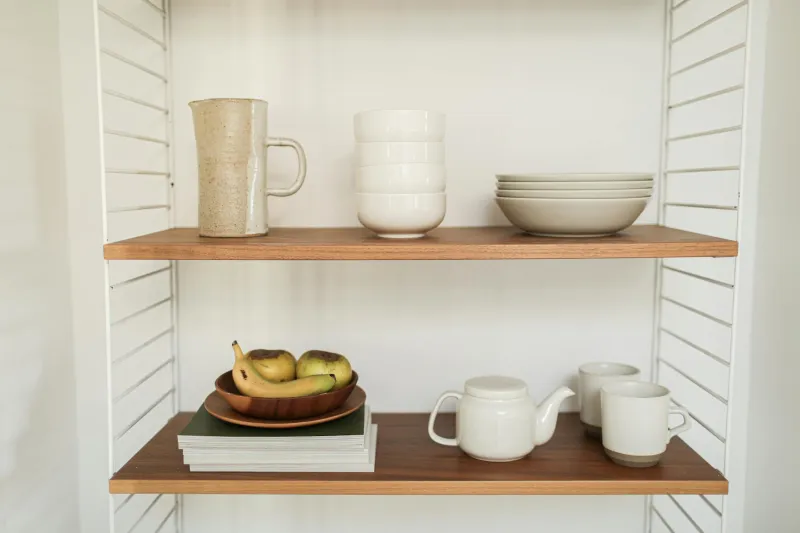
Social media has turbocharged performance shopping by providing a literal stage for our carefully curated possessions. The "shelfie"—a photograph of one's bookshelf—has become a recognised social media genre, with entire accounts dedicated to showcasing personal libraries clearly assembled for maximum cultural capital rather than reading pleasure.
Instagram has created a feedback loop where we buy things to photograph, share the photographs to validate the purchase, then buy more things to maintain our carefully constructed online persona. It's consumption as performance art, with ourselves as both artist and audience.
The Paradox of Authentic Performance
The most peculiar aspect of performance shopping is how seriously we take our own productions. We genuinely believe that owning the right books makes us more intellectual, that having expensive kitchen equipment makes us better cooks, that displaying wellness props makes us more mindful.
This isn't conscious deception—it's unconscious self-delusion on a massive scale. We've convinced ourselves that the props define the character, that having the costume is equivalent to playing the role.
Breaking Character
Some Britons are beginning to recognise the absurdity of their own performances. "Underconsumption core"—a social media movement celebrating using things until they're actually worn out—has gained traction among younger consumers exhausted by the pressure to constantly update their personal sets.
Marie, a 29-year-old teacher from Brighton, describes her revelation: "I realised I was living in a museum of my own aspirations. Beautiful objects everywhere, but I wasn't actually living the life they were supposed to represent. It was like being a tourist in my own home."
The Final Curtain
Perhaps the most British thing about performance shopping is how politely we all maintain the fiction. We admire each other's carefully curated spaces, compliment the books we know haven't been read, and praise the kitchen equipment we suspect has never been used. We're all in on the joke, but nobody wants to be the first to break character.
In the end, performance shopping reveals something fundamentally human about our relationship with objects. We don't just want things—we want to be the kind of people who have those things. The tragedy isn't that we're performing for others; it's that we've forgotten how to stop performing for ourselves.