The Theatre of Unavailability
There's something deliciously perverse about the British relationship with rejection. We queue for hours in the rain, refresh websites until our thumbs go numb, and genuinely believe that being told 'no' by a retailer is somehow more exciting than being told 'yes'. Welcome to the waiting room economy, where the most coveted items aren't the ones on the shelf—they're the ones that aren't.
Consider the curious case of Colin the Caterpillar. When M&S briefly ran out of their beloved chocolate cake mascot during the pandemic, the nation didn't simply shrug and buy a Victoria sponge instead. Oh no. We mourned. We tweeted. We created black market Colin networks on Facebook Marketplace. The absence of a £7 cake somehow made it worth £20 to desperate parents facing disappointed children. Scarcity had transformed a simple dessert into liquid gold.
The Dopamine Economy
Behavioural economists have a term for this phenomenon: manufactured scarcity. But in Britain, we've elevated it to an art form. Our high streets are littered with countdown timers, stock alerts, and those deliciously anxiety-inducing notifications: 'Only 3 left in your size!' 'Last chance to buy!' '47 people are looking at this item right now!'
These aren't supply chain hiccups—they're carefully orchestrated psychological operations designed to hijack our reward systems. When something becomes unavailable, our brains don't process disappointment; they process opportunity. The 'sold out' button isn't admitting defeat; it's declaring victory over our rational decision-making.
Dr Sarah Mitchell, a consumer psychologist at the University of Bath, explains: "British shoppers have been conditioned to equate difficulty with desirability. We've created a culture where the harder something is to obtain, the more we assume it must be worth having."
The Supreme Court of Desire
No brand has mastered this dark art quite like Supreme. Their London drops are less shopping experiences and more endurance tests, where queuing for twelve hours in Soho rain becomes a badge of honour rather than a symptom of questionable life choices. The brand releases approximately twelve hoodies per season, ensuring that 99.8% of interested customers will go home empty-handed—and absolutely desperate to try again next time.
But Supreme isn't alone in this game. From Adidas Yeezys to Taylor Swift concert tickets, Britain has embraced a retail model where failure to purchase has become part of the product experience. We don't just buy things anymore; we compete for the privilege of spending money.
The Waitlist Paradox
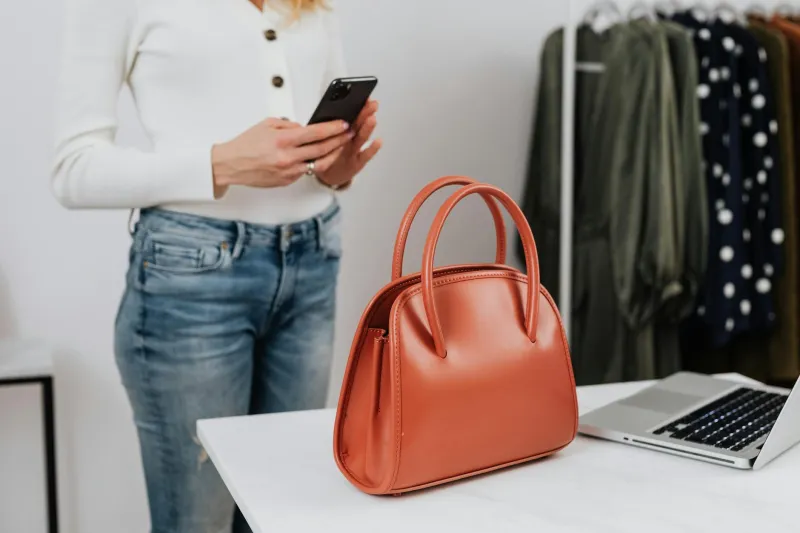
Perhaps nowhere is this more evident than in our relationship with waitlists. Once the domain of exclusive restaurants and private schools, waiting lists have now colonised everything from trainers to toasters. Join the waitlist for a £2,000 handbag you'll never buy. Sign up for notifications about a limited-edition crisp flavour. Add your name to a list for furniture that doesn't exist yet.
The genius of the waitlist lies not in its promise of eventual ownership, but in its immediate delivery of belonging. By joining, we're not just expressing interest in a product—we're joining a club of people sophisticated enough to want things other people can't have.
The Psychology of Almost
Retailers have discovered something profound about British psychology: we're more motivated by the fear of missing out than by the joy of having. The 'Add to Basket' button is functional, but the 'Notify When Back in Stock' button is emotional. It promises nothing except the opportunity to be disappointed again later—and we absolutely love it.
This explains why flash sales work so brilliantly in the UK market. Brands like Gymshark and Pretty Little Thing have built empires on the principle that Brits will buy almost anything if they believe they're the last person who'll ever get the chance. The timer isn't counting down to a deal ending; it's counting down to our self-respect expiring.
The Scarcity Trap
But here's where it gets interesting: most of this scarcity is entirely artificial. Those 'only 2 left' notifications often refresh magically after checkout abandonment. The limited edition that sold out in minutes somehow finds its way to outlet stores six months later. The exclusive drop that broke the internet gets quietly restocked without fanfare.
We're not buying products; we're buying stories. The story that we were quick enough, smart enough, or deserving enough to secure something rare. The actual item becomes almost secondary to the narrative of acquisition.
The Future of Not Having
As British consumers become increasingly sophisticated, retailers are having to work harder to manufacture genuine scarcity. Pre-orders that don't guarantee delivery. Lotteries to buy basic products. Subscription services for the chance to maybe purchase something eventually.
We've created a retail landscape where the most successful businesses aren't those that satisfy demand, but those that carefully ration satisfaction. The 'sold out' sign has become less a failure of supply chain management and more a masterclass in demand creation.
In a world where we can buy almost anything with next-day delivery, perhaps the last truly scarce commodity isn't the product itself—it's the feeling of wanting something we can't immediately have. And British retailers, bless their manipulative hearts, have turned that feeling into the most profitable product of all.